Serra da Capivara: The Complete Guide to Brazil’s Oldest Rock Art
Half Charted — Piauí, Brazil
Serra da Capivara: The Complete Guide to Brazil’s Oldest Rock ArtBeen there
A UNESCO World Heritage park in the Piauí backlands holds over 300 archaeological sites and rock art dating back roughly 10,500 years. Here’s what a real two-day visit looks like, guides, cost, and getting there included.
Been there. We spent two full days inside the park ourselves. Facts we didn’t witness firsthand are checked against sources and marked as such.
Some links in this article are affiliate links: if you book through them we may earn a small commission, at no extra cost to you.
- Getting there
- Fly into São Raimundo Nonato (airport code NSR) — Azul runs a Recife–Petrolina–São Raimundo Nonato route a couple of times a week. Otherwise it’s a drive: Petrolina is about 300km away, Teresina around 510km.
- Entrance
- Free to enter the park itself. The two on-site museums charge separately, roughly R$40 full price / R$20 half-price, and keep their own hours (Wed–Sun, afternoons).
- Guide
- Mandatory — a licensed guide is required to enter, arranged in advance rather than at the gate. We booked ours through our hotel.
- Best season
- Dry season, roughly May to October — more reliable daylight and easier walking, though it’s hot either way.
- How long
- We’d say at least two full days if you want to see both major circuits properly, not just tick the park off in an afternoon.
This is the reason most people find their way to this corner of Piauí at all. Created in 1979 and spread across roughly 129,000 hectares over four municipalities in southeastern Piauí, Serra da Capivara holds over 300 documented archaeological sites — 204 of them open to visitors, across 14 named circuits — and the oldest confirmed rock art in the Americas. The clearest paintings date back roughly 10,500 years, while evidence at one site, Boqueirão da Pedra Furada, has fueled an ongoing, genuinely disputed debate over human presence in the Americas reaching back much further still — estimates run anywhere from around 50,000 to as much as 100,000 years, depending on which study you read. UNESCO listed the park as a World Heritage Site in December 1991 for exactly this.
Niède Guidon, and why this place is protected at all
None of this would be as protected, or as known, without Niède Guidon — the French-born archaeologist who spent decades excavating here, founded the research foundation (FUMDHAM) that still anchors the site, and pushed the disputed case for a much older human presence in the Americas.
She died in June 2025, at 92, and the tourism economy her work built up around the park has been transformative for this corner of Piauí. Her legacy includes the Museu do Homem Americano, the park’s archaeology museum, built around FUMDHAM’s own collection. Our guide, Antoniel, told us reliable electricity only reached the region relatively recently, and credited Guidon’s push for it. We couldn’t pin down an exact date, but the broader story checks out: as recently as the years before her tourism push took hold, São Raimundo Nonato reportedly ran on generator power alone, shut off at ten every night — and her wider legacy of schools, health posts, and a real tourism economy for the region is well documented.
The two circuits worth naming directly
There are standard single-day tours that cover the main highlights, but we spent two full days inside with our guide, Antoniel, walking the circuits rather than driving between viewpoints — and two days turned out to be outstanding, not overkill.
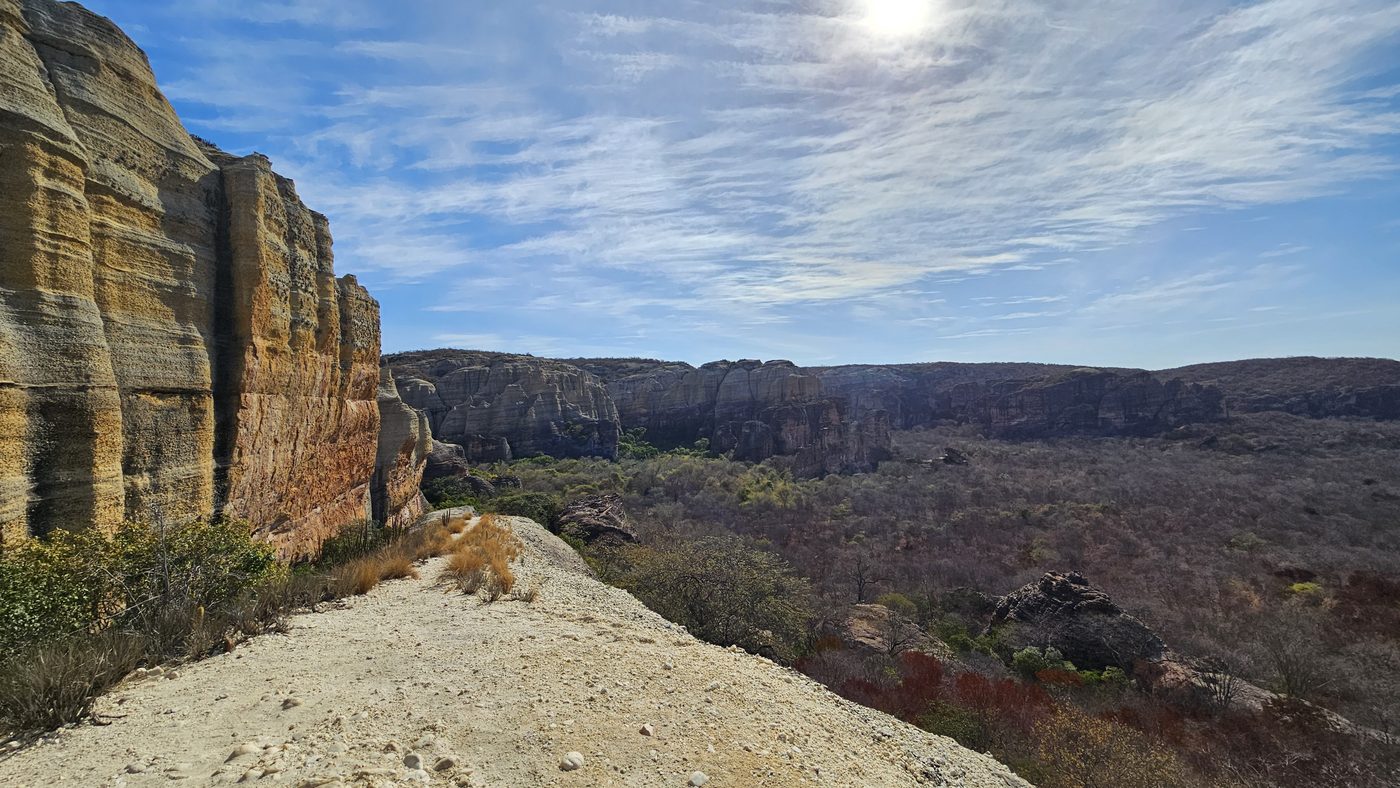
One was the Desfiladeiro da Capivara circuit — the park’s oldest, and literally where the story starts: the first sites Guidon’s French-Brazilian team ever catalogued, back in 1973, in the very canyon that gave the whole park its name. It’s a run of narrow canyons and cliff-face lookouts about 7km from Coronel José Dias. One stretch along it used to be called Toca do Inferno by travelers convinced the place was haunted; it’s actually one of the prettiest spots in the park, a narrow canyon opening into a cave-like chamber, nothing sinister about it.
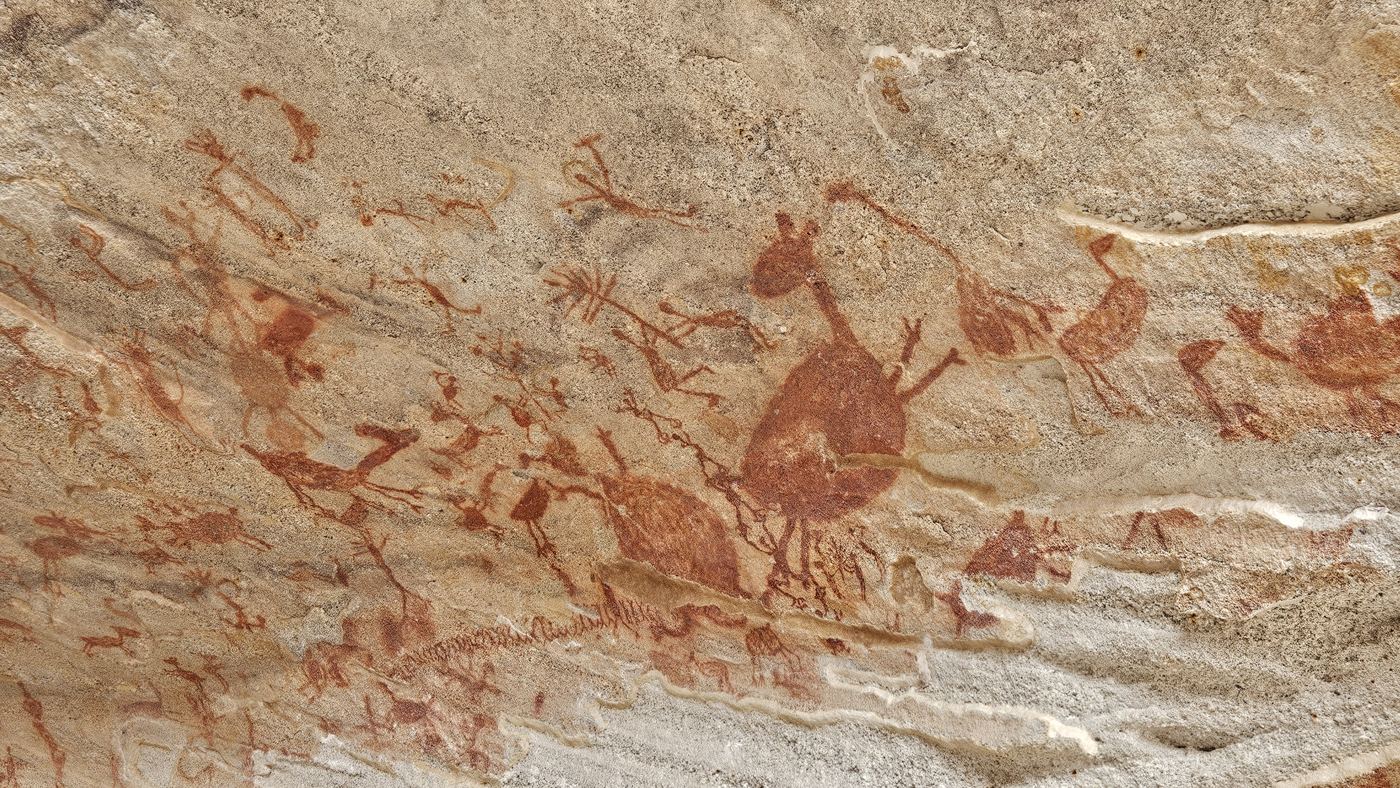
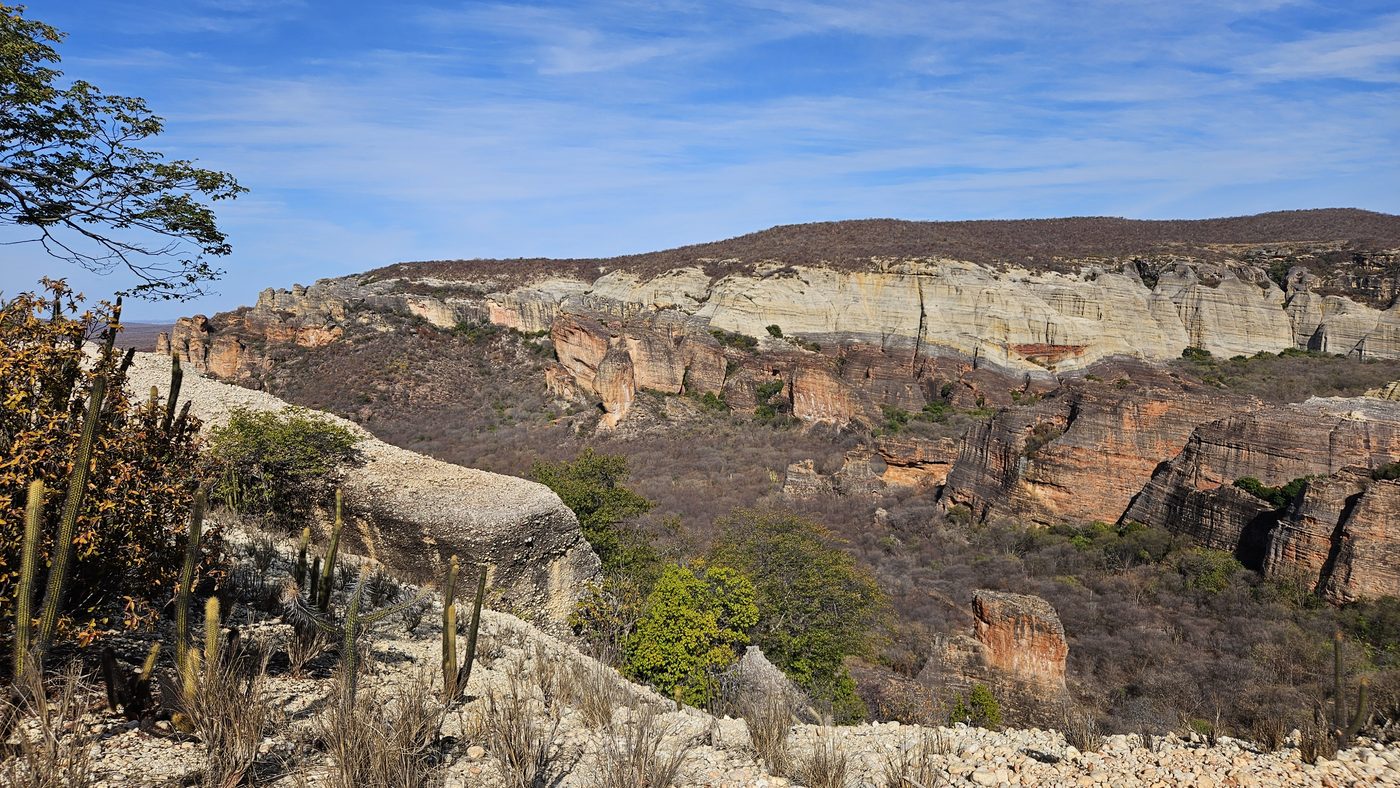
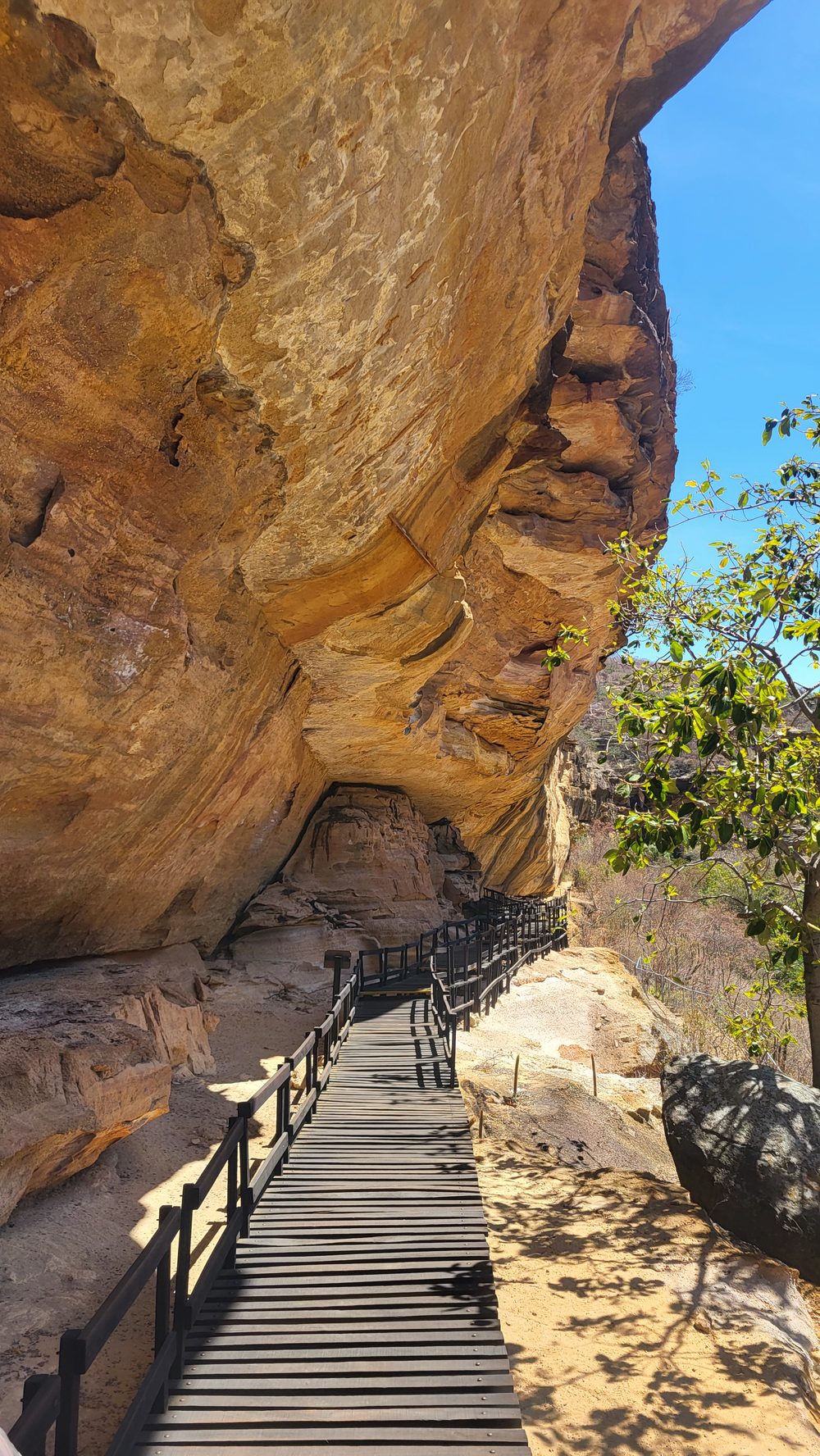
The other was Boqueirão da Pedra Furada itself, anchor of the park’s main circuit and its single most important site: the same rock shelter behind the older-human-presence debate mentioned above, reached along a raised wooden walkway built right into the overhang. Standing under it, argued-over dating aside, is something else.
The two museums
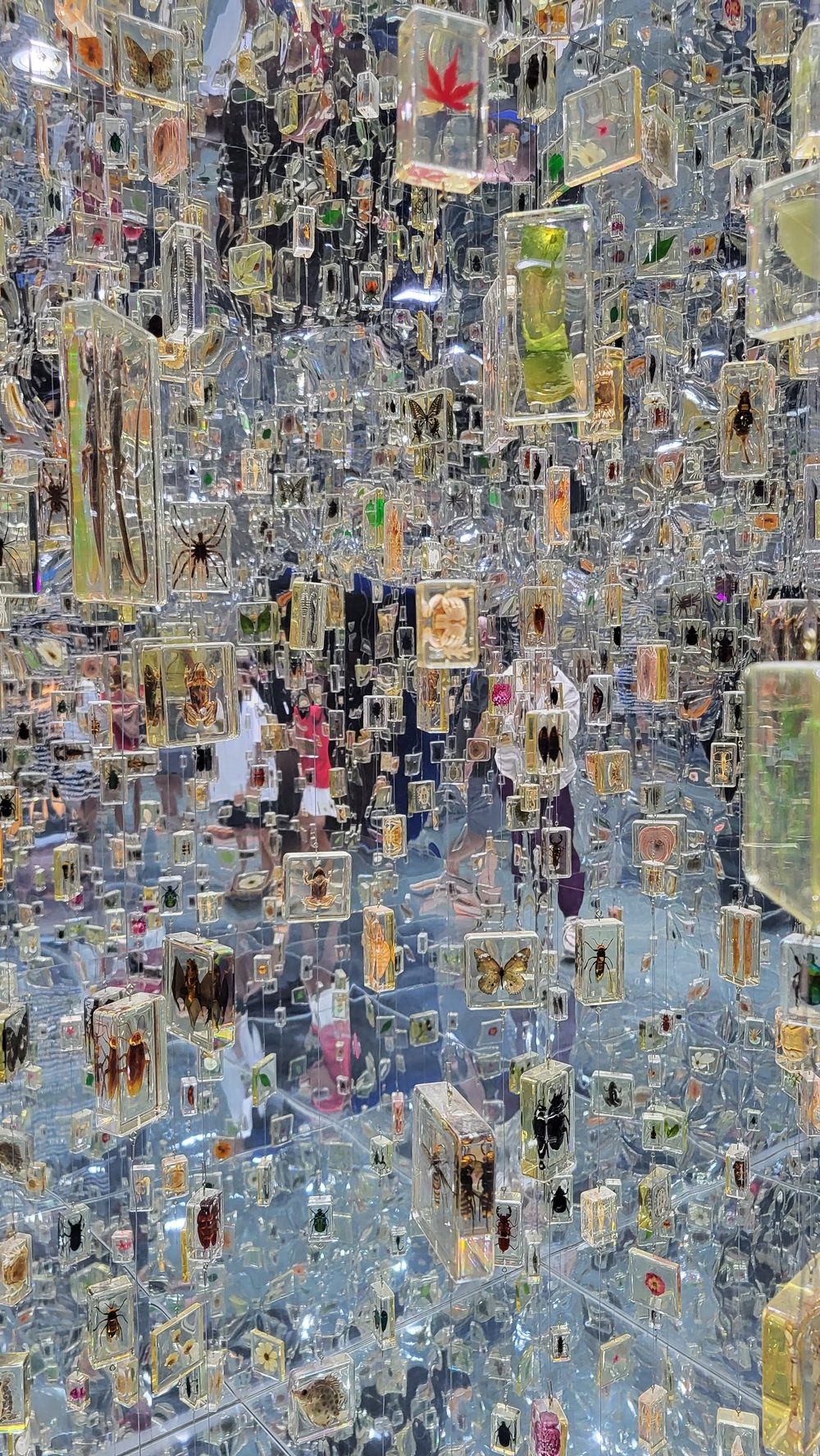
Worth building in stops at both of the park’s museums. The Museu do Homem Americano covers the archaeology directly — Guidon’s own collection, more or less. The Museu da Natureza, a short distance away, goes wider: twelve rooms tracing the earth’s deep history and the origin of life, including a startling run of megafauna fossils — giant sloth, sabre-tooth tiger, giant armadillos, mastodon, wild horse, bear, all extinct roughly 10,000 years ago — a VR hang-glider simulation that lets you fly the whole park from your seat, and a panoramic view over the park’s rock walls from the roof. It’s genuinely great for kids. The standout for ours, though, was a wall of local insect and plant specimens preserved in resin, an immersive, almost disorienting display they loved wandering through.
Where to stay
The closest lodging to the park entrance is Sertão do Luar, in Coronel José Dias — a small resort we used as our base for both Capivara days, and pricier than most of what we found elsewhere in the region, but genuinely worth it: an oasis built right up against the sertão, with a garden threaded with cactus and a hammock deck looking out over the hills.
Serra da Capivara was two stops on a longer, 2,064km loop through Ceará and Piauí — read the full 10-day road trip, including the canyon that nearly stranded us and the rock formation nobody warned us about.
2 Comments