Ten Days, One Loop: Driving Fortaleza to Serra da Capivara
Half Charted — Piauí, Brazil
Ten Days, One Loop: Driving Fortaleza to Serra da Capivara
A 2,064km Piauí road trip starting in Ceará — granite domes, a canyon at the edge of two biomes, 10,000-year-old paintings, and a rock formation nobody warned us about.
Been there. Every place named below, we visited ourselves. Facts we didn’t witness firsthand are checked against sources and marked as such.
Some links in this article are affiliate links: if you book through them I may earn a small commission, at no extra cost to you.
A hike we almost skippedBeen there
We’d been based in Fortaleza for a few weeks already; this is where that stay turned into a proper Piauí road trip. We picked up a rental car and drove two hours inland to Quixadá — famous for nothing more dramatic, on paper, than a scatter of granite domes rising out of flat scrubland. We booked a short hike with a local outfit, Quixadá Aventura, mostly to break up the drive.
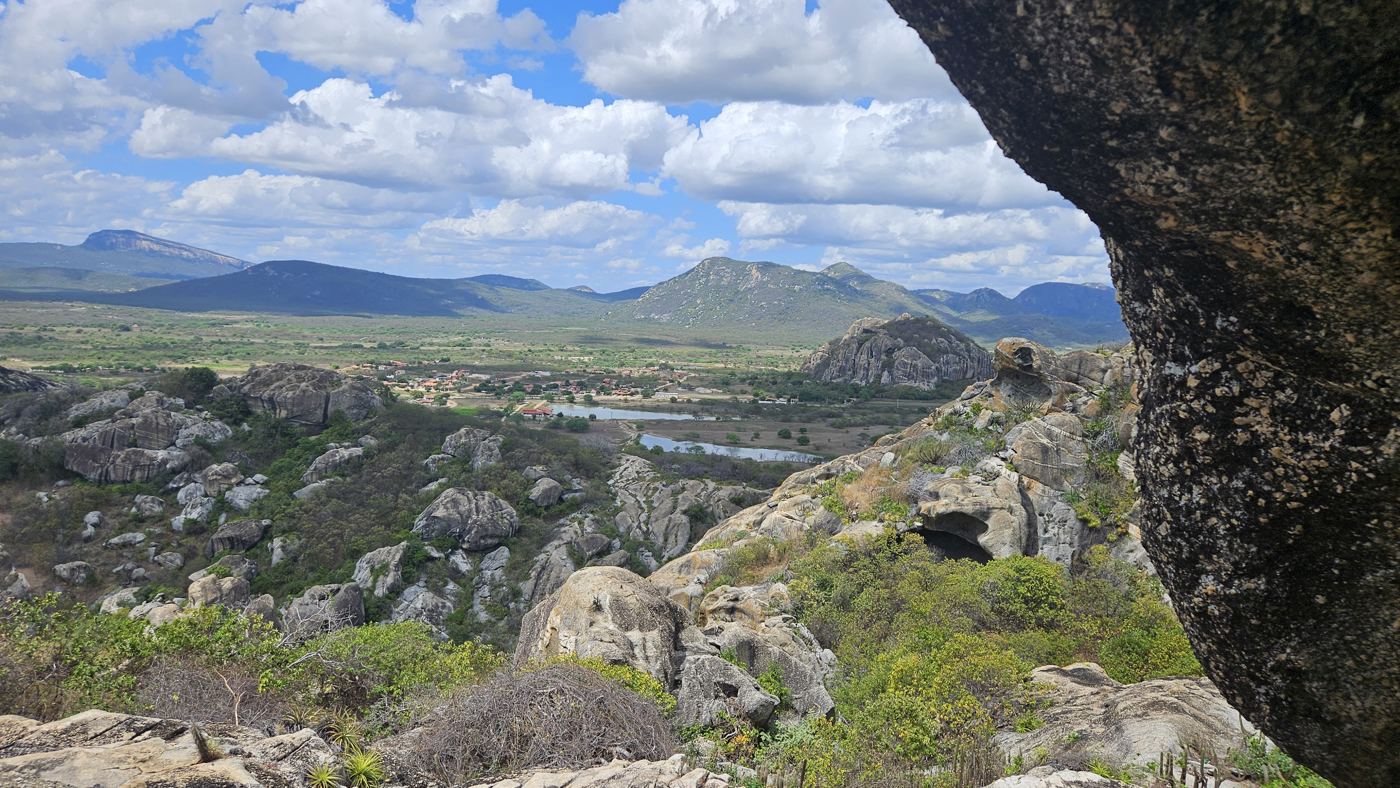
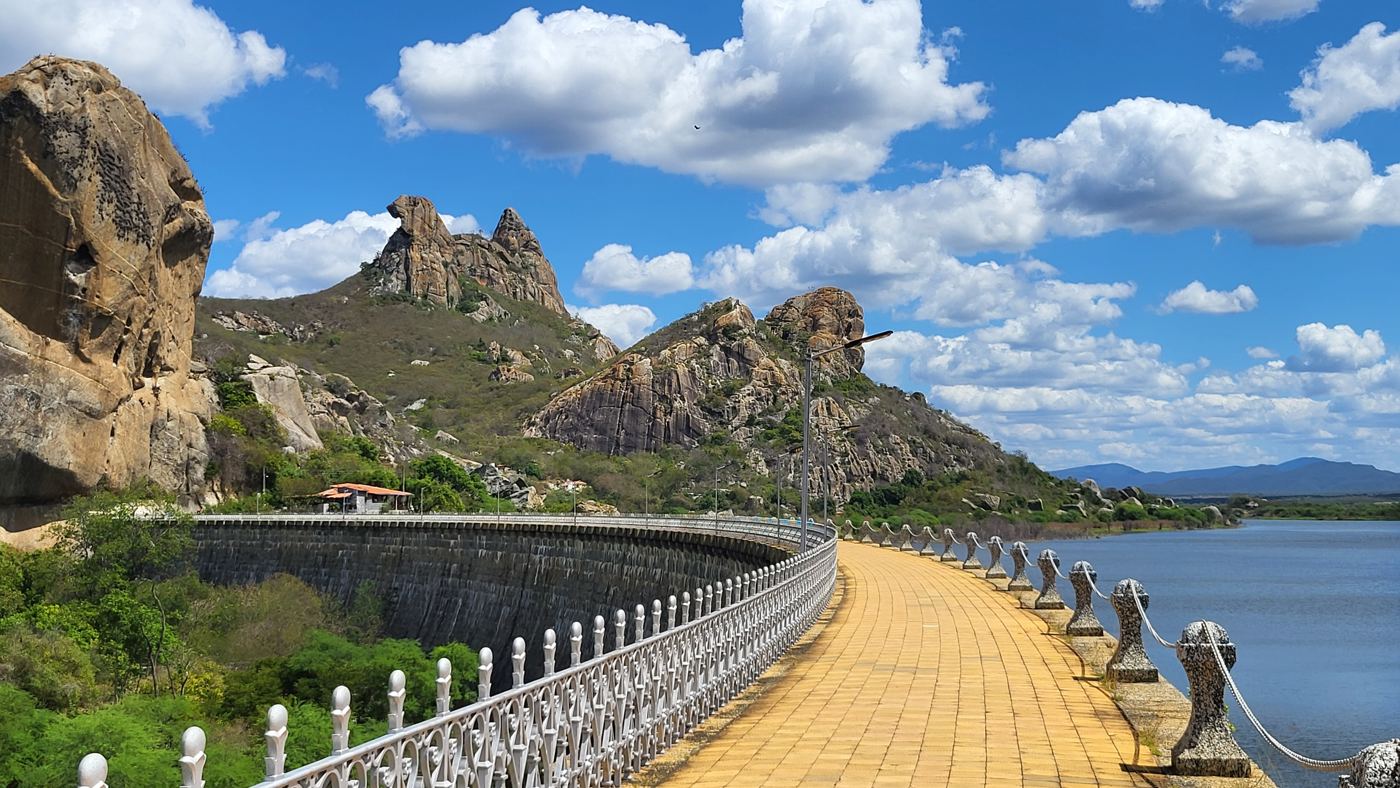
It turned into the best kind of surprise. The trail — Trilha da Caverna dos Ventos, the “Cave of the Winds” — climbs through a jumble of wind-carved boulders known as the Galinha Choca complex, and ends inside a shallow cave mouth looking straight out over the Açude do Cedro reservoir, the town spread out small below it. Our guide had a drone up the whole time, and afterward edited it into a short video summarizing the whole day — R$100 well spent — and she was a highlight in her own right, always smiling and genuinely helpful the whole way up.
It was a genuinely nice walk through nature, not just a scramble over rock — birdlife along the trail, including hummingbirds, and the views living up to the climb the whole way.
That evening, on to Juazeiro do Norte for the night — the ibis Juazeiro do Norte, our verdict below.
A statue, a plateau, and a wrong turnBeen there
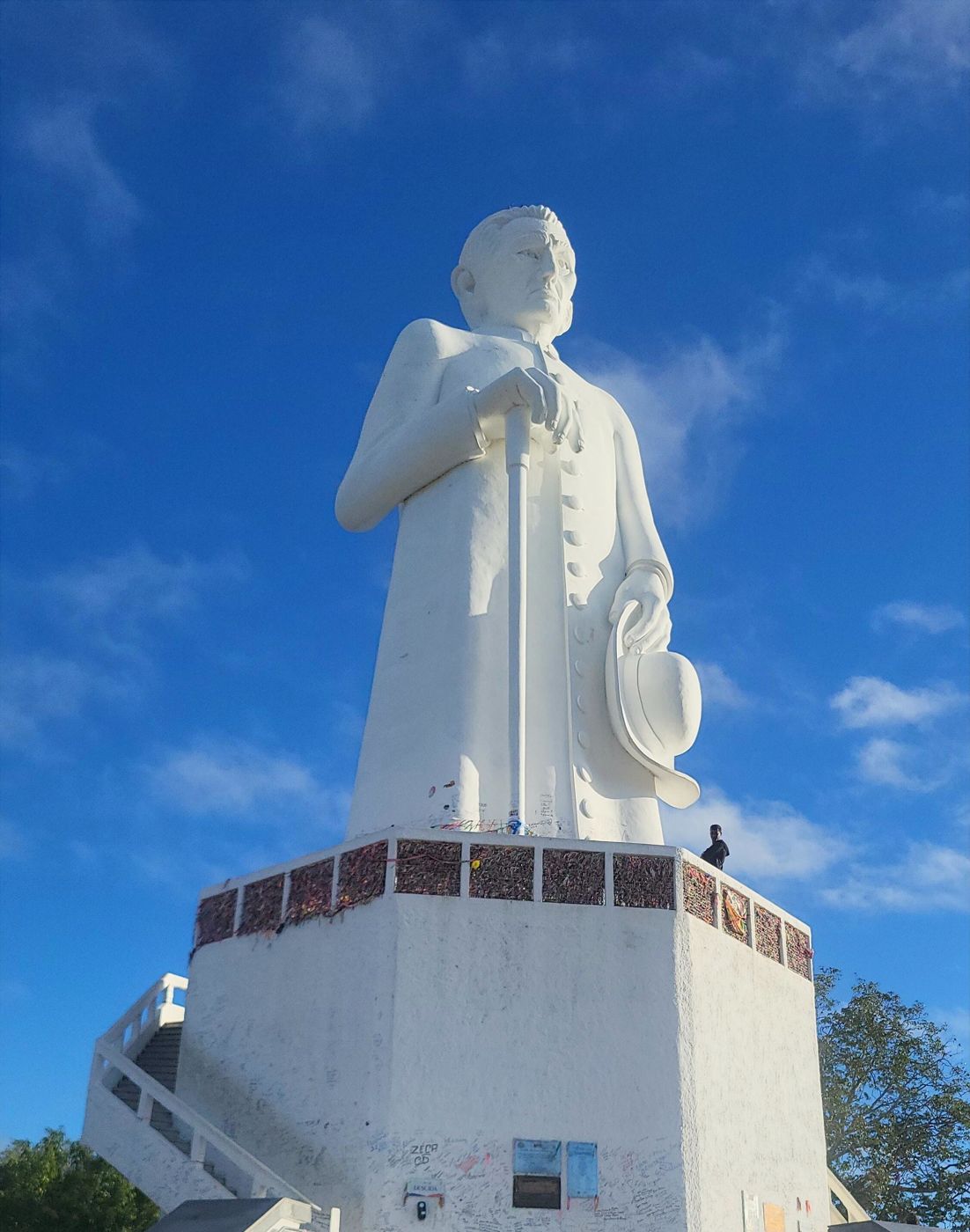
Before leaving, a brief morning stop at the Estátua do Padre Cícero, on Colina do Horto — thirty meters tall including its base, built in 1969, looking out over the city and the Chapada do Araripe beyond it.
Then the day’s real business: a long haul into Piauí, on roads that were, in our own experience, genuinely good — Ceará, a short clip through the corner of Pernambuco where the two states meet the Chapada do Araripe, then across into Piauí for the rest of the drive.
Somewhere in the middle of it, the road climbs onto the Chapada do Araripe — a sandstone plateau sitting 700–900 meters up, right where Ceará, Pernambuco, and Piauí corner into each other; a roadside sign confirmed it, Pernambuco for a stretch before the road tips back down into Piauí. It’s a strange, sudden shift: cooler air, low cloud sitting on the road, a green that has no business being there in the middle of the sertão. That’s not a coincidence — the plateau catches enough moisture at altitude to hold a relict pocket of humid forest inside otherwise dry country, the same kind of biome inversion we’d see again days later at Serra das Confusões.
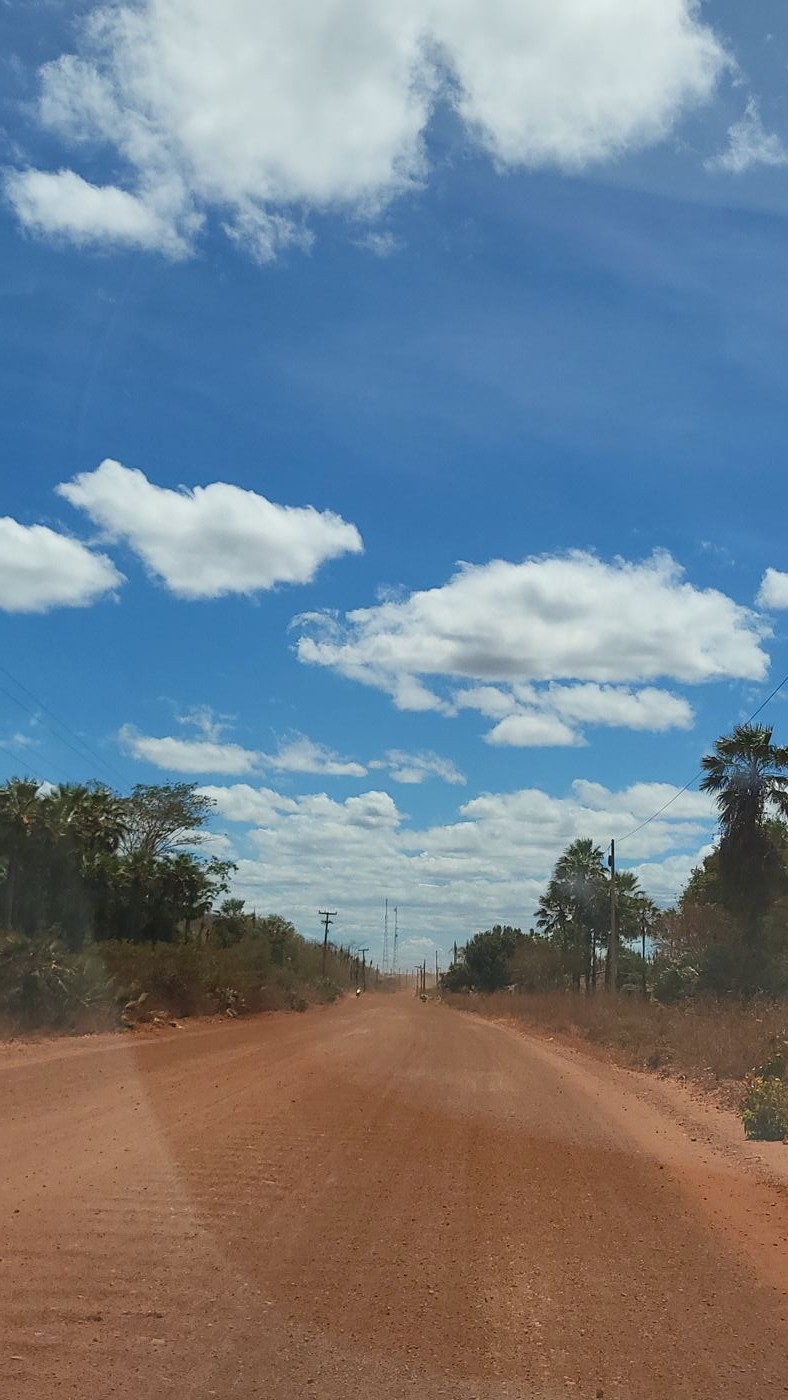
The dirt-road stretch itself was part of the plan — this is sertão backcountry, and not all of it is paved. But partway along it, the GPS tried to send us down an even smaller track, straight into someone’s farmland; a hand-lettered sign at the turn warned, in effect, that the GPS gets this wrong and to turn around. We did, rejoined the real dirt road, and carried on — apparently a common enough mix-up out there that someone had bothered to put up the sign.
Caracol itself is a small, poor, thoroughly untouristy village, far from anywhere — and we liked it precisely for that. It felt safer, in a straightforward way, than a big city like Fortaleza. Street food was skewers grilled on small roadside barbecues, a few plastic tables set up around them, prices about as low as they get. Our lodging matched the town: the hotel doubled as a gas station stop. It’s not the only option in Caracol — there are a handful of others we didn’t look into — but it did the job as a clean base for the next two days, out to Cânions do Viana and into Serra das Confusões.
A canyon to ourselves, then trouble on the way backBeen there
We’d booked the day with Leonardo, but it was his father who actually showed up to guide us — no complaints; the canyon does the talking either way. We were on the road from Caracol by eight that morning. This is one stretch where a 4×4 isn’t optional: the track in is rough enough that a regular car won’t make it, as the story below makes clear. Cânions do Viana — regarded as one of Piauí’s standout rock formations — turned out to be a genuine out-of-this-world moment: red sandstone cut into deep, narrow gorges, and for the roughly ninety minutes we spent inside them, we didn’t see another soul. Caracol makes a reasonable base for it — by our own estimate, something like two to two and a half hours’ drive each way.
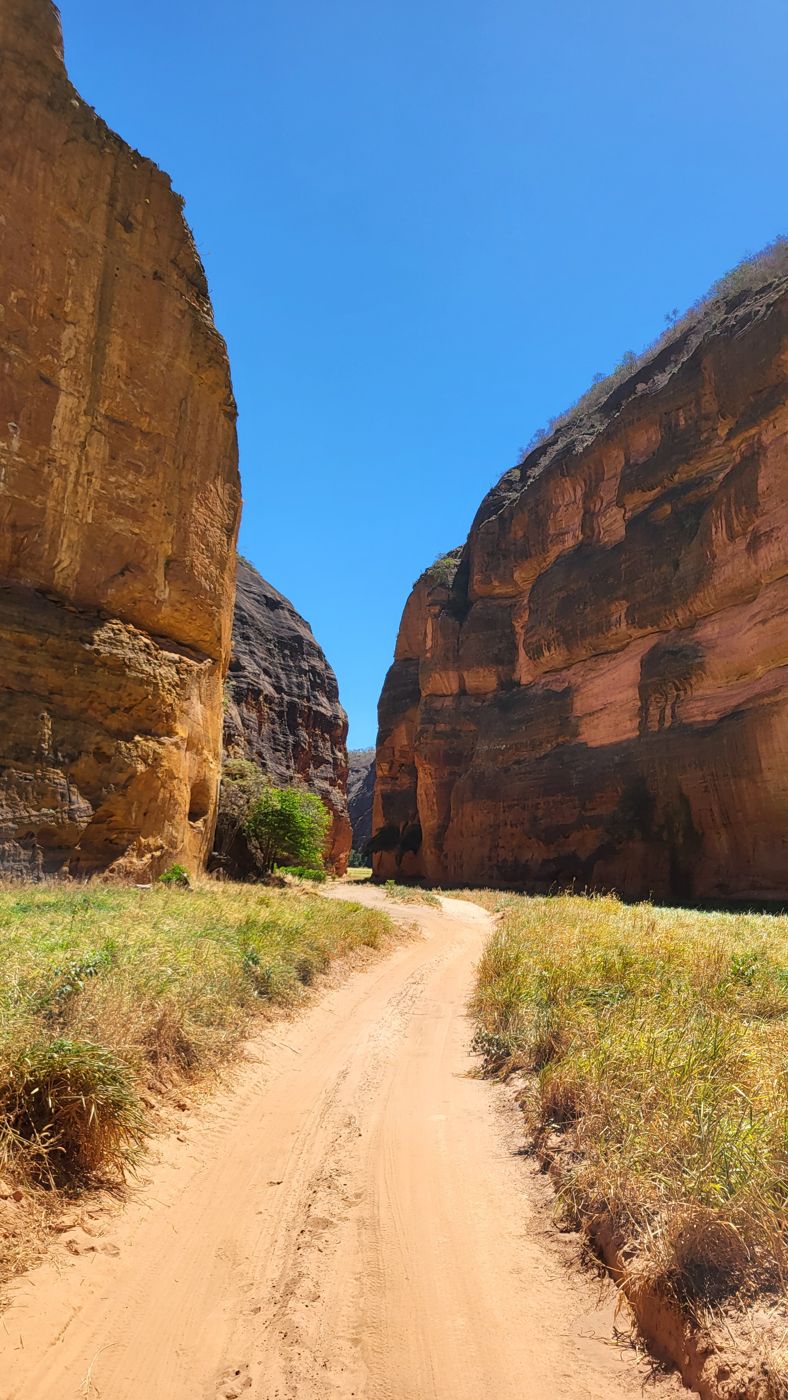
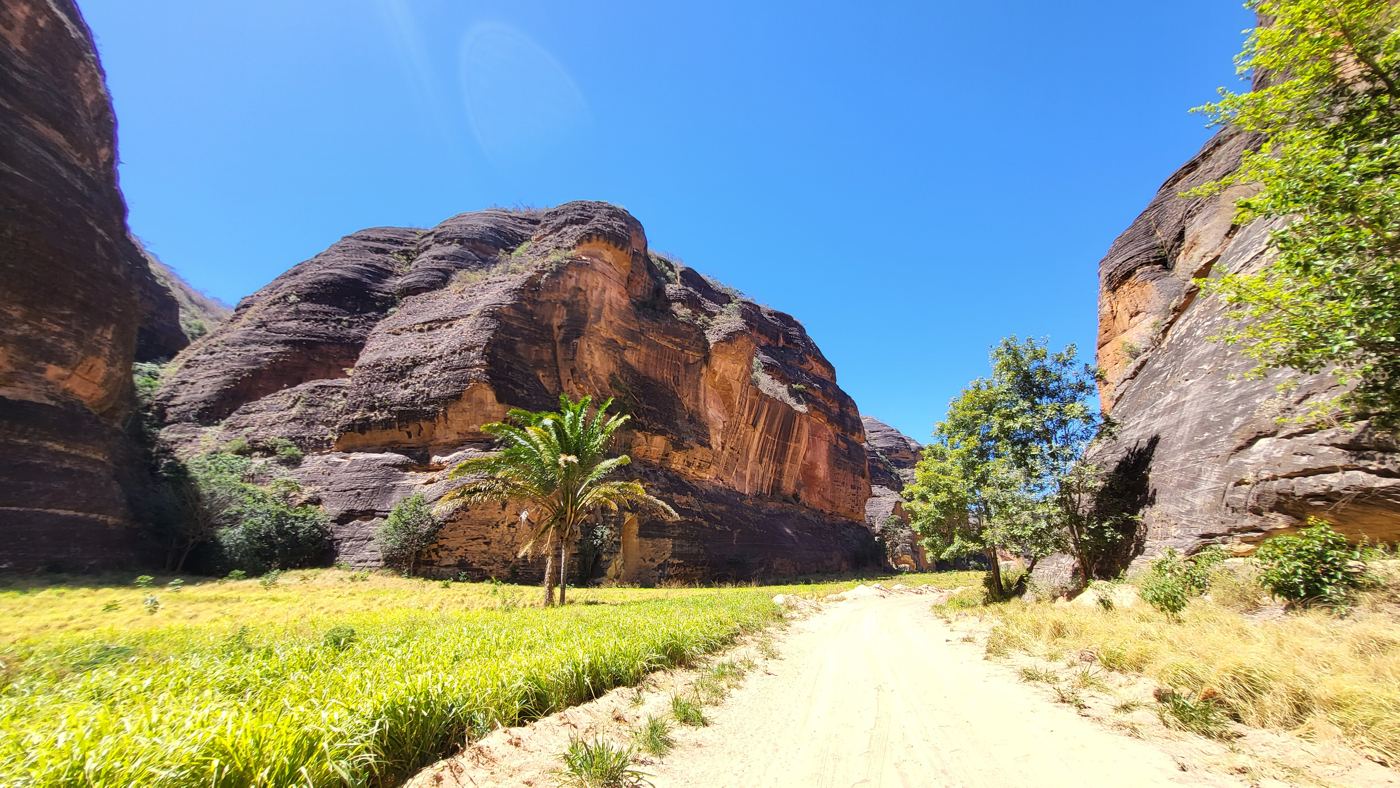
The way back is where it turned into a real story. The guide’s pickup — old, and it turned out later to be one of only two or three working vehicles left in the whole town, the other two already in for repair — couldn’t manage a steep, sandy uphill on the dirt track and got properly stuck. We sat there for close to two hours: no phone signal, serious heat, two kids in the car, no real way to know how long it would take. It resolved the way these things sometimes do in remote places — a stranger driving past stopped, helped dig the truck out of the sand, and carried on. Something close to a godsend.
Even once the truck was free, that hill was off the table, so we backtracked and took an entirely different way home — something like six hours, on dirt roads through farmland, the GPS not even holding a signal for parts of it. We got back to Caracol after dark.
Looking back, it’s the kind of day that sounds more alarming in the retelling than it maybe deserves. The people helping us clearly weren’t running a polished tour operation — which, if anything, made the whole thing feel more genuine. It’s stayed a highlight of the trip, not despite the detour, but alongside it: the canyon itself is that good.
Where two biomes meetBeen there
A day trip into Serra das Confusões National Park with guide Leonardo — accessible by regular car, no 4×4 required. The day follows a single named route, Trilha Cores da Caatinga, threading past Cânions das Andorinhas (canyon walls busy with birdlife), a lookout called Janela do Sertão, the Riacho do Boi cave system, and a stretch known as Paredão Verde e Jardim before looping back. Our own word for the day: “brilliant” — not because it was physically demanding (it wasn’t, unlike Cânions do Viana the day before), but because it was consistently interesting and varied, one good stop after another for the whole day.
Worth a beat on its own: the park sits at a genuine ecological seam. Officially, its biome classification is Atlantic Forest (“Mata Atlântica”), but ecologically on the ground it reads as Caatinga — except in pockets, like around the Riacho do Boi cave system, where humid, Atlantic-Forest-type vegetation survives inside the dry scrubland around it. Reportedly the most pronounced example of this overlap of any national park in Brazil. The Riacho do Boi caves themselves are genuinely impressive to walk through — noticeably cooler inside than the sertão heat outside, part of why that pocket of humid forest survives there at all. The park is younger than it feels: created by federal decree in October 1998, and at over 823,000 hectares it’s one of the largest protected stretches of Caatinga in Brazil. In 2006 an ecological corridor was established linking it to Serra da Capivara, effectively joining the two parks into one continuous protected area.
Where we slept between the two parksBeen there
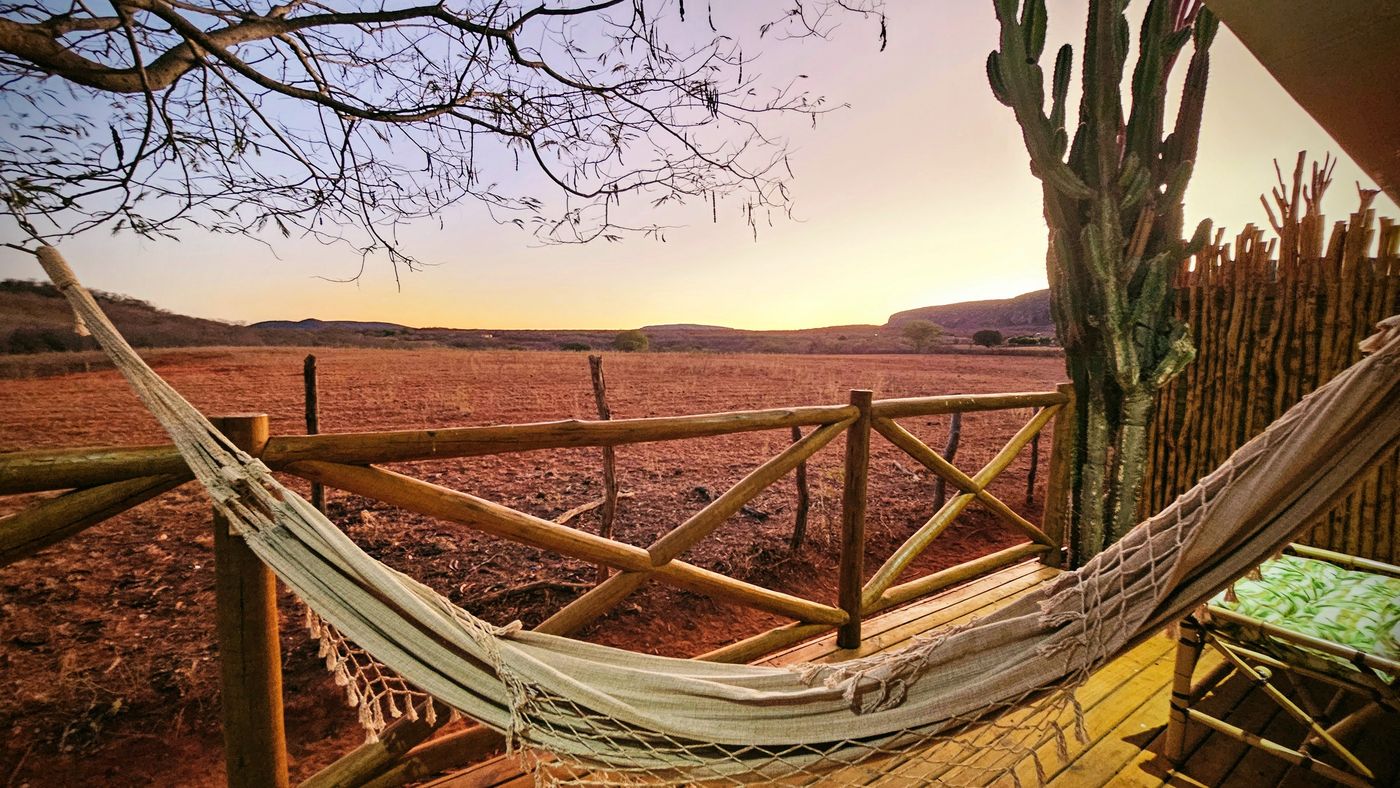
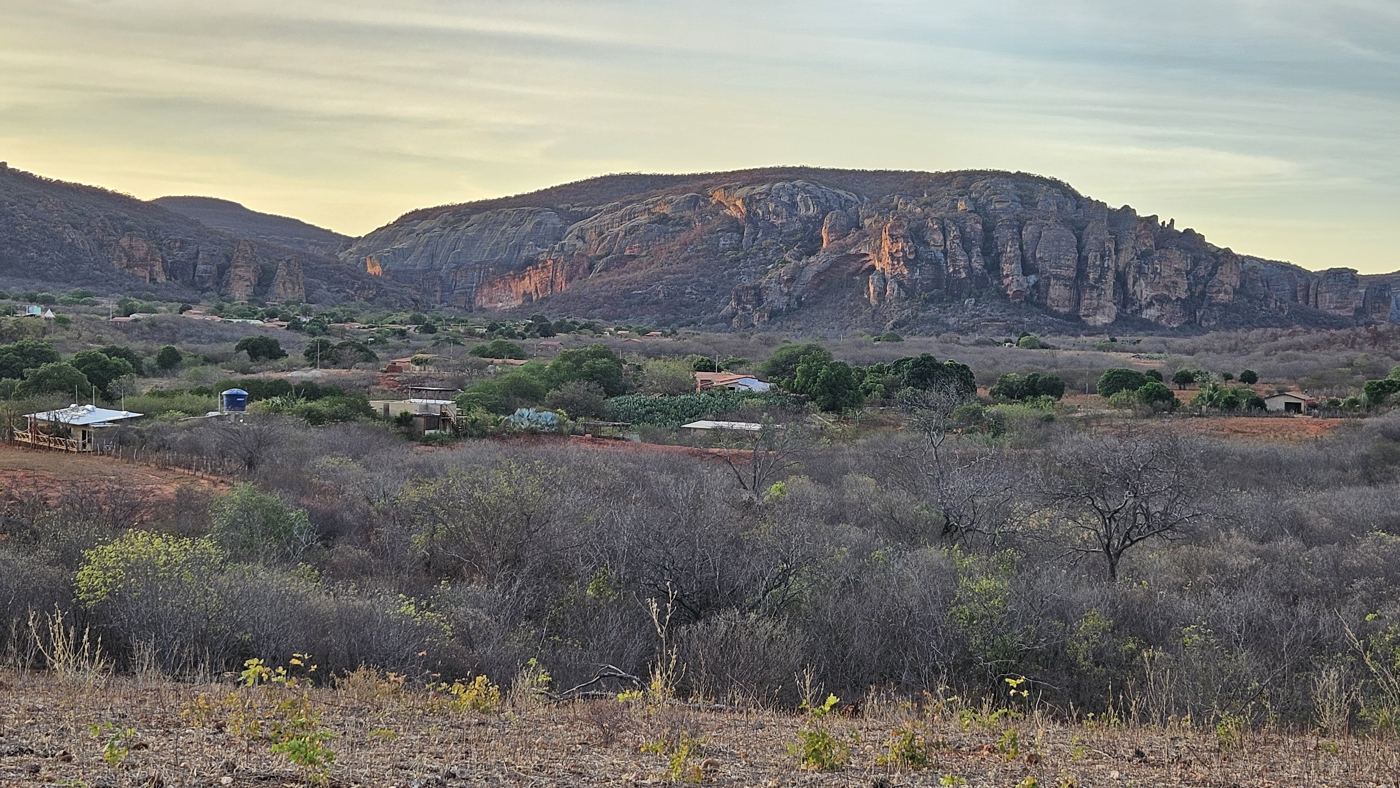
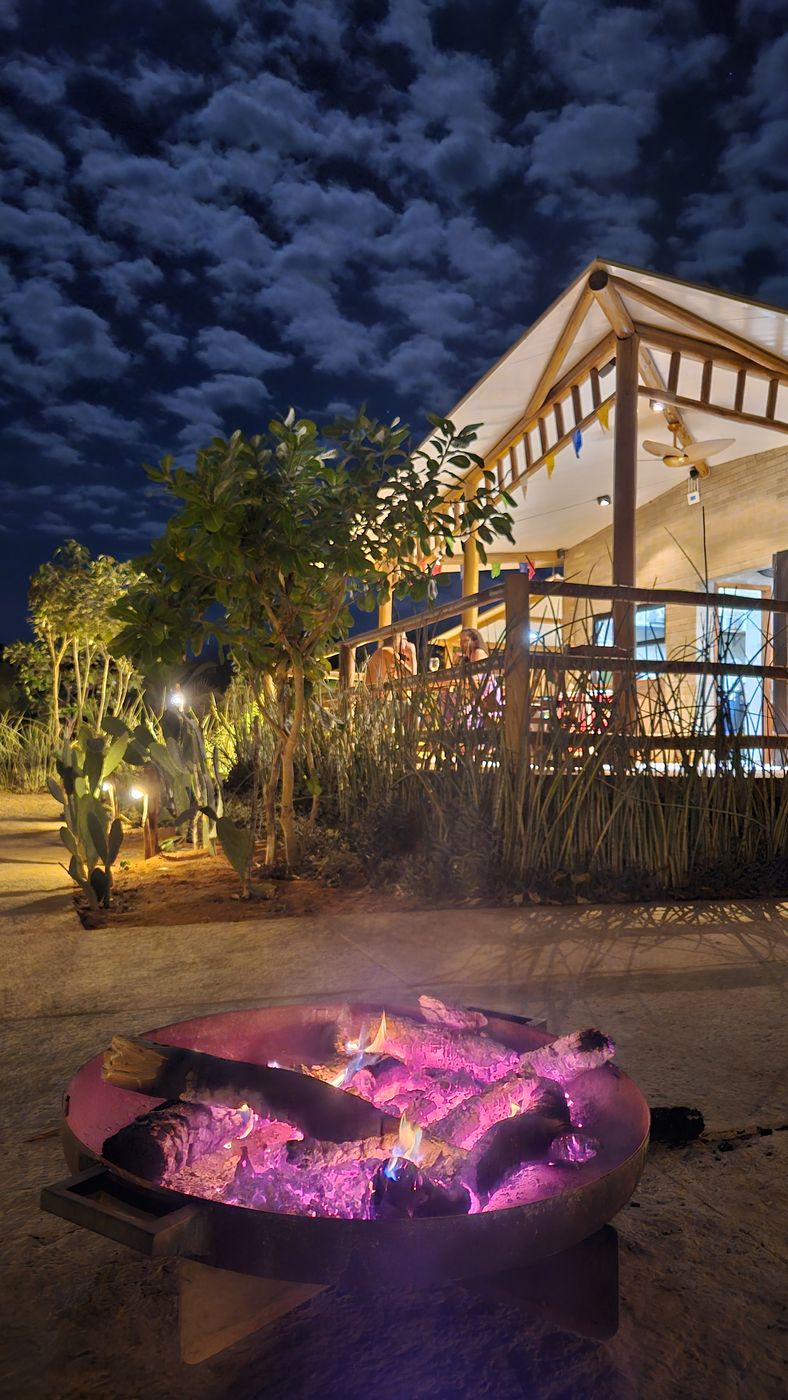
Sertão do Luar was our base for three nights, covering both Serra da Capivara days — we arrived here in the evening after wrapping up Serra das Confusões, which we’d done that day as a trip out of Caracol, where we’d stayed the night before. It’s a small resort built right up against the sertão itself, and pricier than anywhere else we stayed on this trip — but it earns it: a genuine oasis out here, and coming straight from Caracol the night before, it felt like a real touch of luxury. Not lavish, but comfortable, beautiful, and full of real architectural thought, with a garden threaded with cactus, a hammock deck looking straight out over dry farmland to the hills, a small pool that was a hit with the kids, and an evening fire pit for after dark.
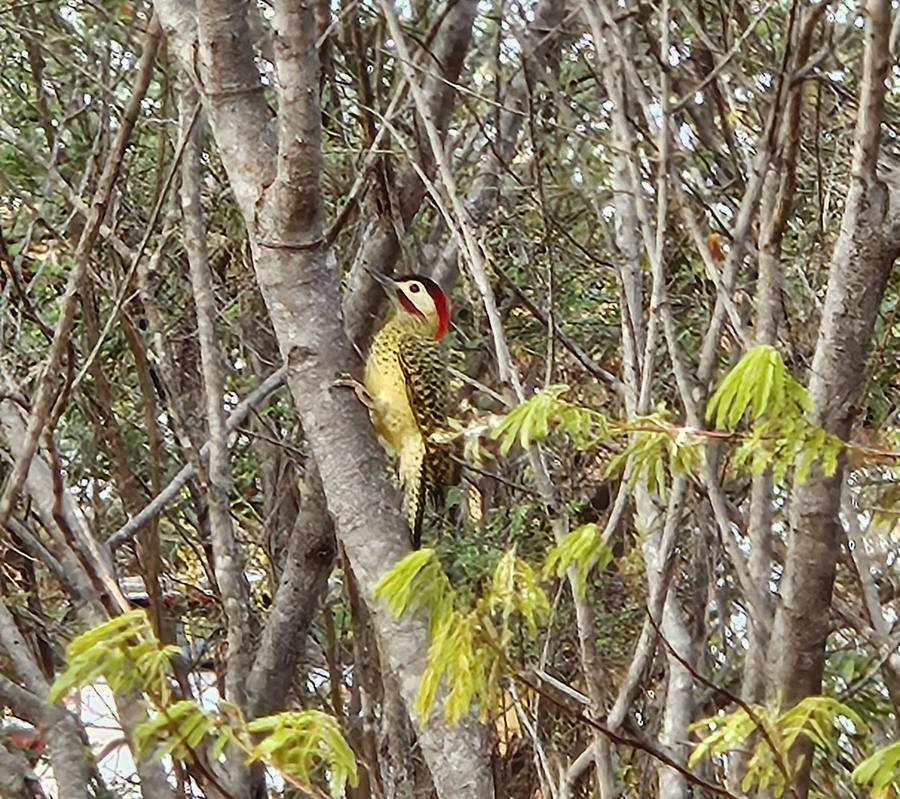
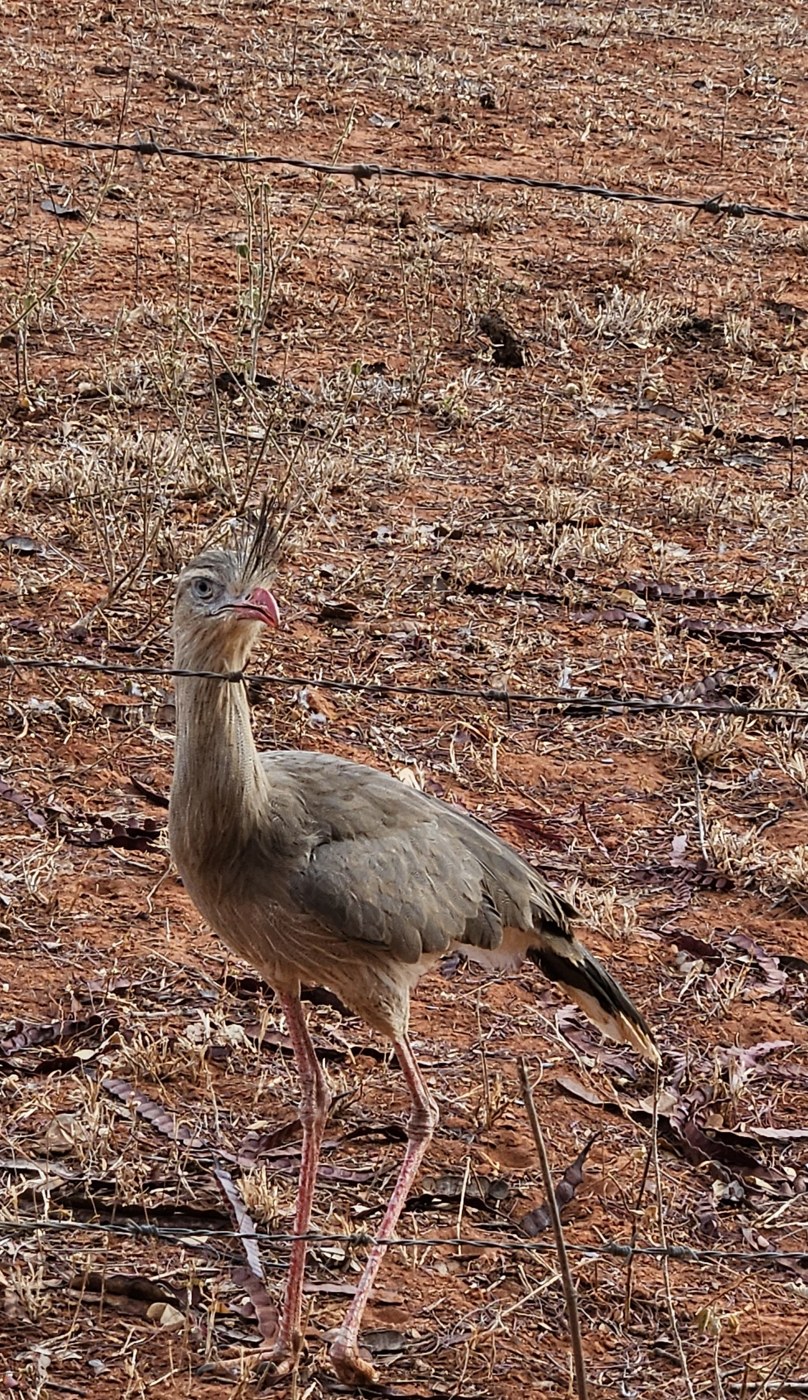
The place was full of animals — among them a Green-barred Woodpecker (Colaptes melanochloros) we got close to in a tree by the garden, and a Red-legged Seriema (Cariama cristata) stalking the field just beyond the fence.
It’s not just us who feel this way — on Tripadvisor, Sertão do Luar sits at the top of the inns in Coronel José Dias, rated 4.7 out of 5 across dozens of reviews. Other guests keep flagging the same things we noticed ourselves: warm, attentive staff, a genuinely excellent breakfast, and evenings around the fire pit that more than one reviewer picked out as a highlight of their whole trip.
The rock artHighlight
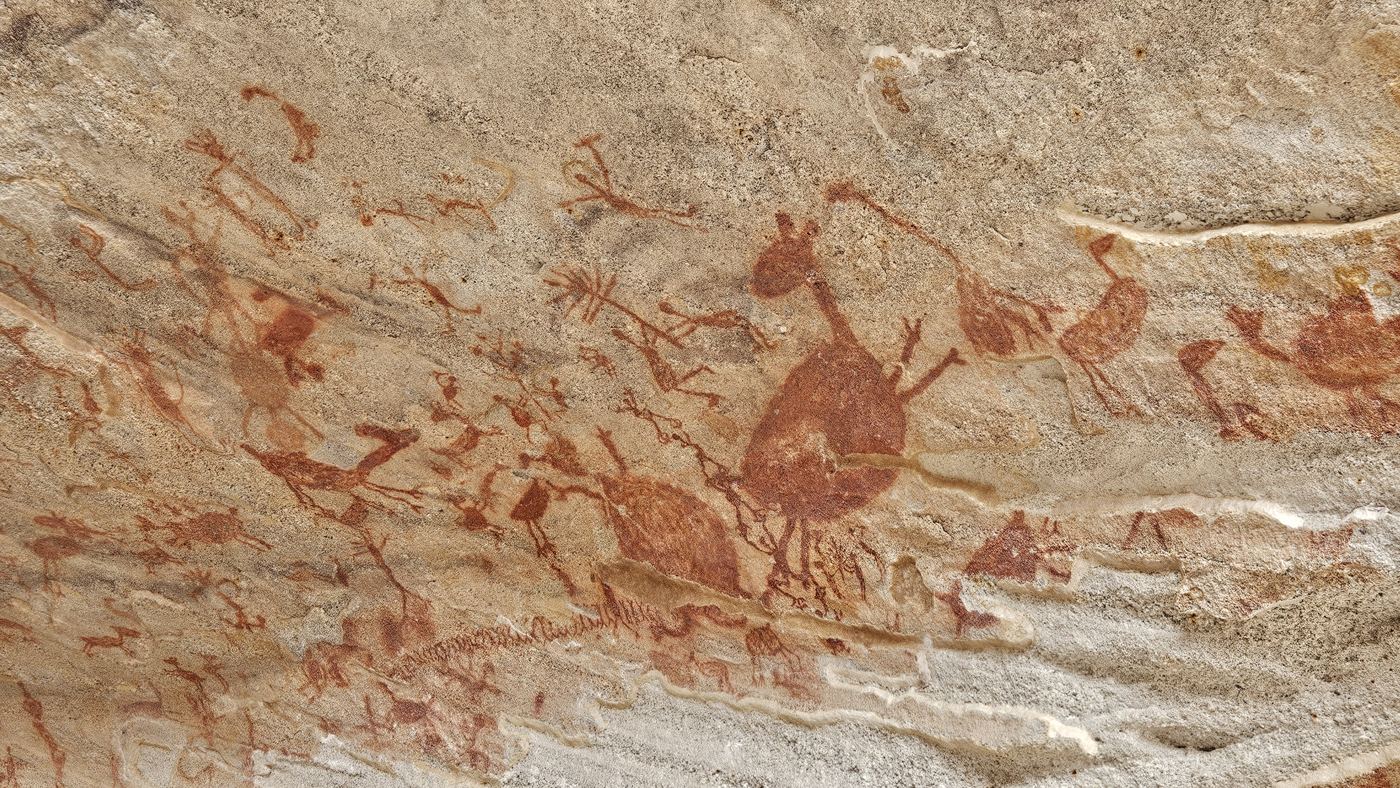
This is the reason most people find their way to this corner of Piauí at all. Created in 1979 and spread across roughly 129,000 hectares over four municipalities in southeastern Piauí, Serra da Capivara holds over 300 documented archaeological sites — 204 of them open to visitors, across 14 named circuits — and the oldest confirmed rock art in the Americas. The clearest paintings date back roughly 10,500 years, while evidence at one site, Boqueirão da Pedra Furada, has fueled an ongoing, genuinely disputed debate over human presence in the Americas reaching back much further still — estimates run anywhere from around 50,000 to as much as 100,000 years, depending on which study you read. UNESCO listed the park as a World Heritage Site in December 1991 for exactly this.
None of this would be as protected, or as known, without Niède Guidon — the French-born archaeologist who spent decades excavating here, founded the research foundation (FUMDHAM) that still anchors the site, and pushed the disputed case for a much older human presence in the Americas.
She died in June 2025, at 92, and the tourism economy her work built up around the park has been transformative for this corner of Piauí. Her legacy includes the Museu do Homem Americano, the park’s archaeology museum, built around FUMDHAM’s own collection. Our guide, Antoniel, told us reliable electricity only reached the region relatively recently, and credited Guidon’s push for it. We couldn’t pin down an exact date, but the broader story checks out: as recently as the years before her tourism push took hold, São Raimundo Nonato reportedly ran on generator power alone, shut off at ten every night — and her wider legacy of schools, health posts, and a real tourism economy for the region is well documented.
There are standard single-day tours that cover the main highlights, but we spent two full days inside with our guide, Antoniel, walking the circuits rather than driving between viewpoints — a licensed guide is required, and rightly so — and two days turned out to be outstanding.
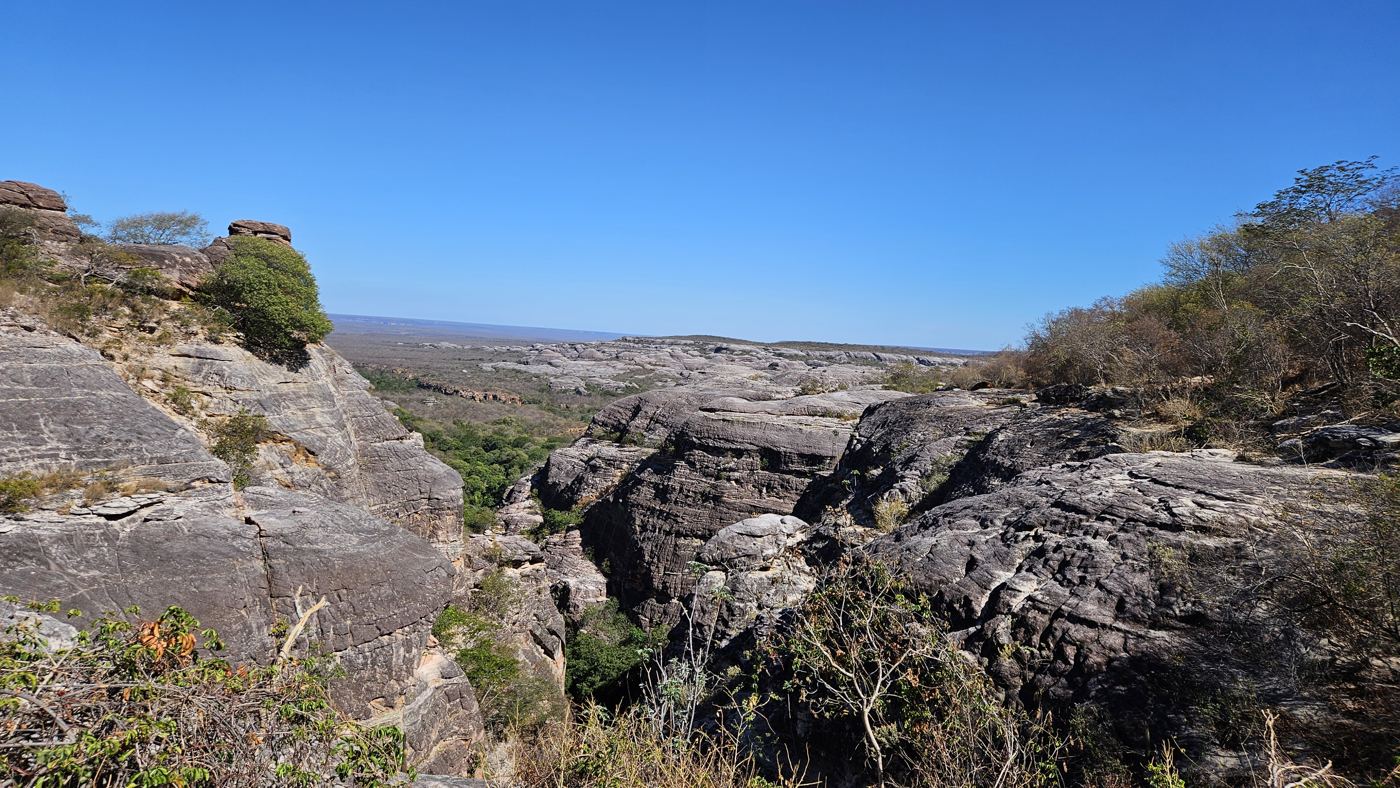
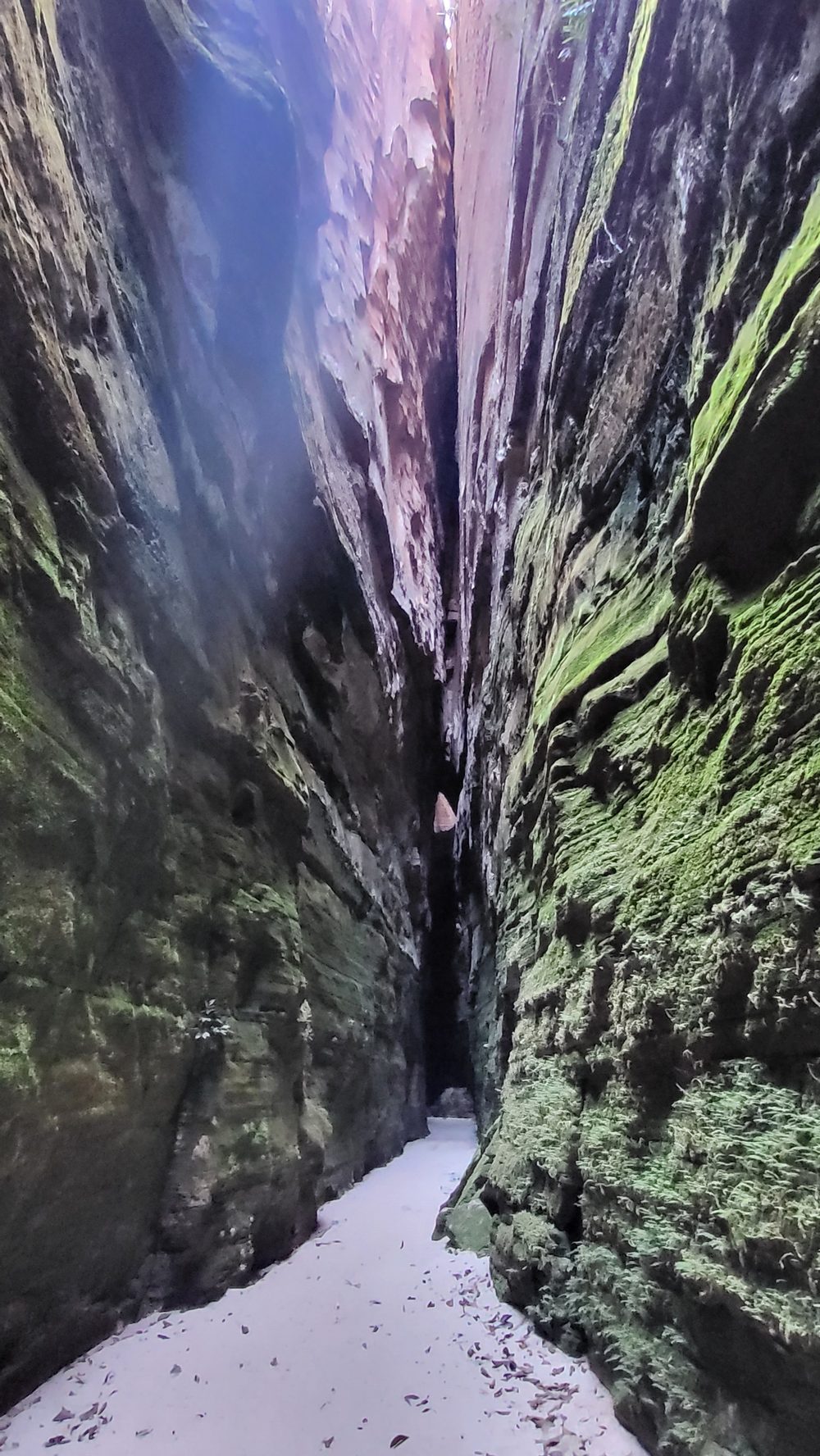
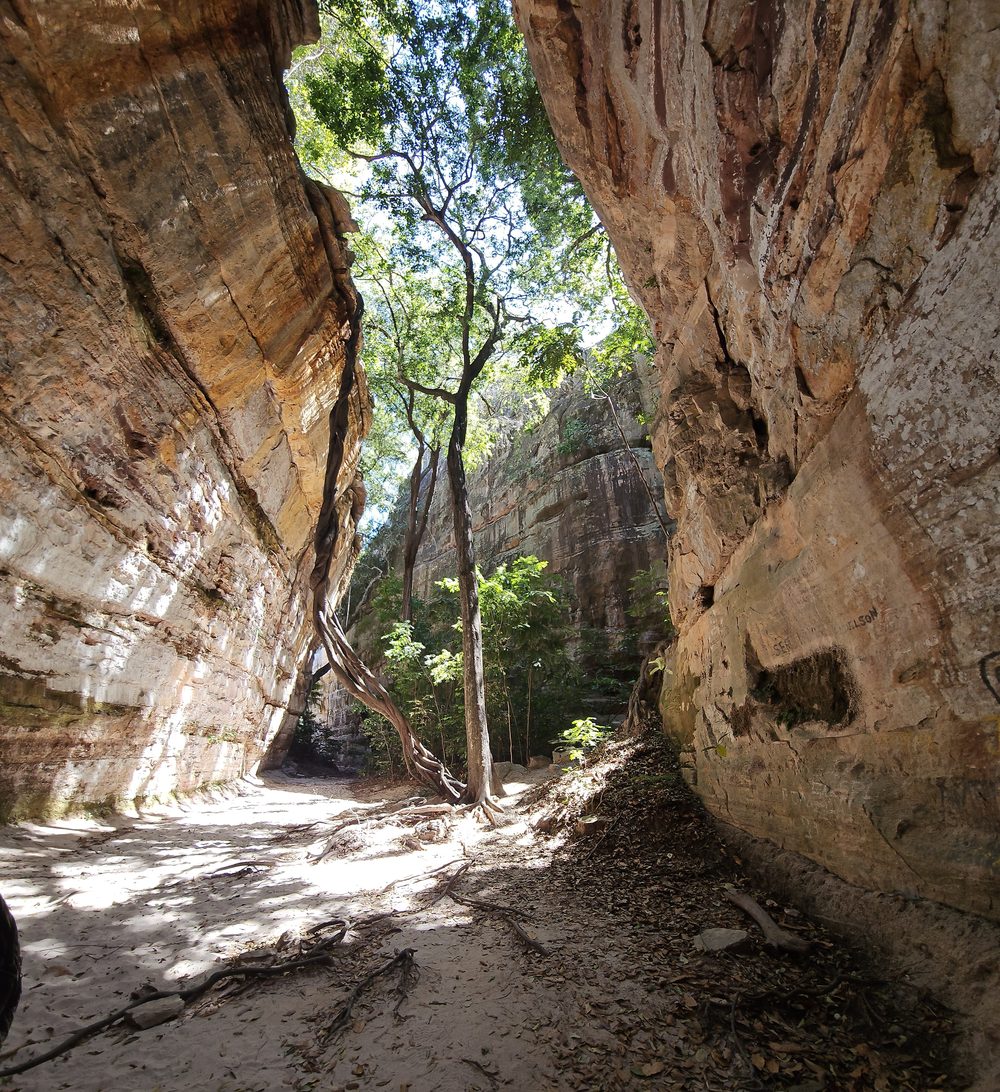
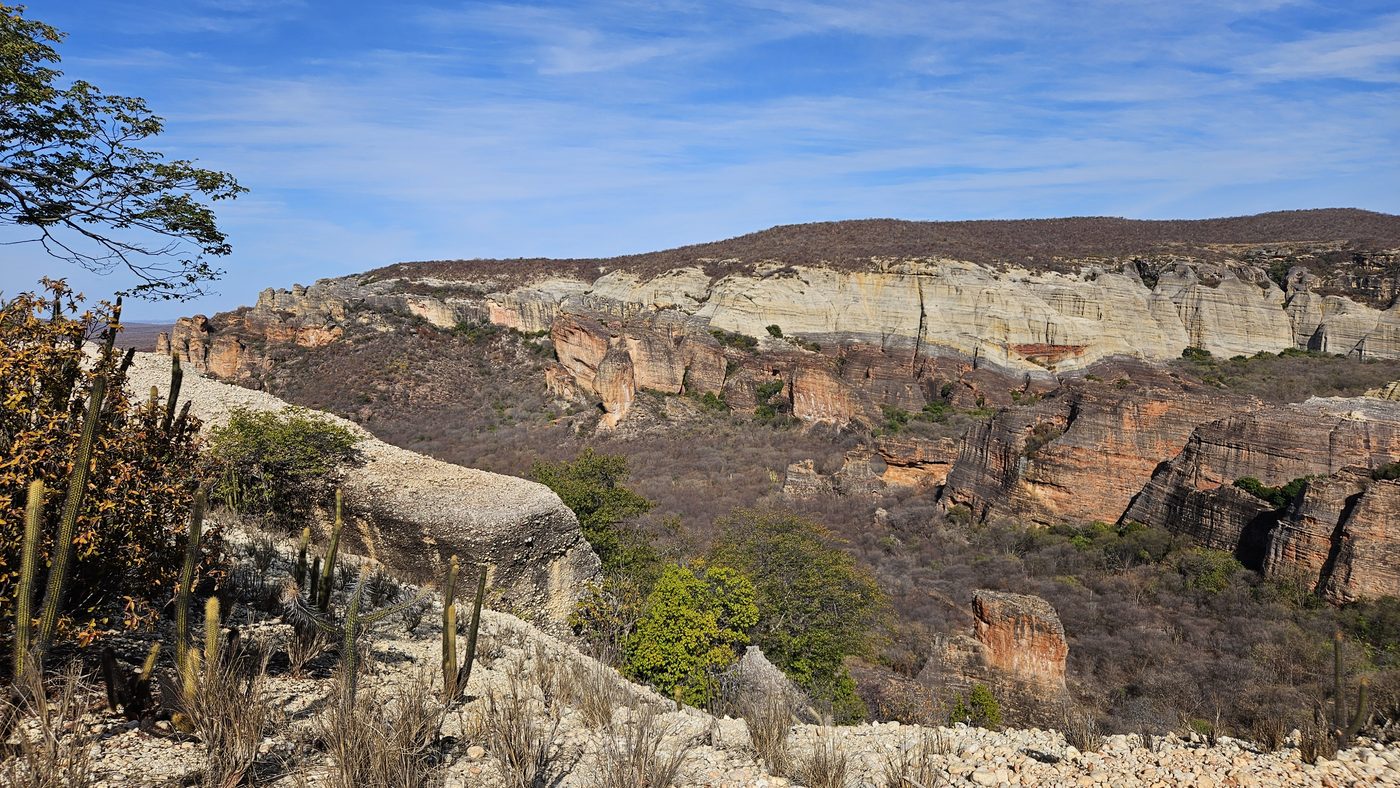
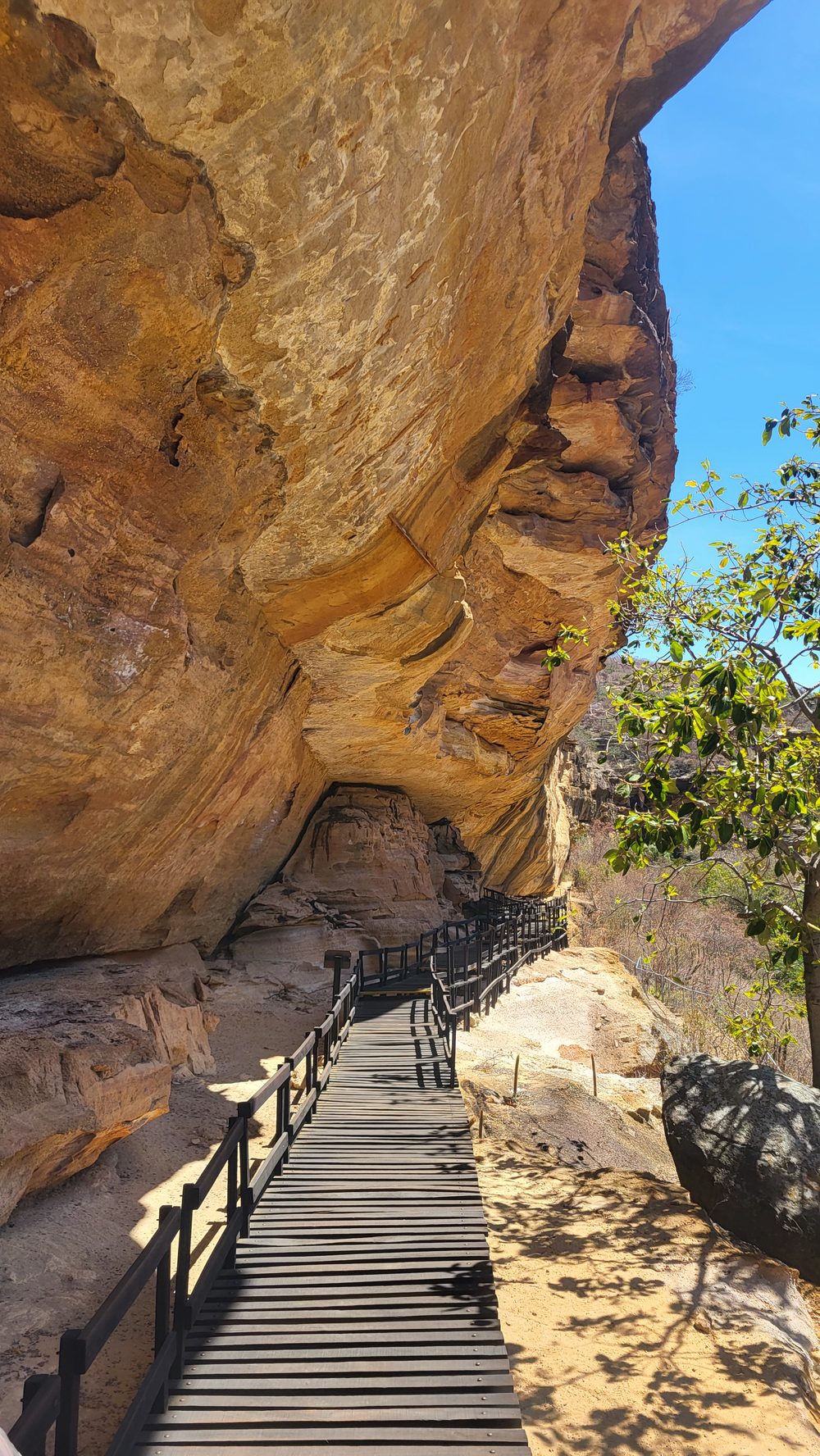
Two of the stops are worth naming directly. One was the Desfiladeiro da Capivara circuit — the park’s oldest, and literally where the story starts: the first sites Guidon’s French-Brazilian team ever catalogued, back in 1973, in the very canyon that gave the whole park its name. It’s a run of narrow canyons and cliff-face lookouts about 7km from Coronel José Dias — the overlook shots below are from there. One stretch along it used to be called Toca do Inferno by travelers convinced the place was haunted; it’s actually one of the prettiest spots in the park, a narrow canyon opening into a cave-like chamber, nothing sinister about it. The other stop was Boqueirão da Pedra Furada itself, anchor of the park’s main circuit and its single most important site: the same rock shelter behind the older-human-presence debate mentioned above, reached along a raised wooden walkway built right into the overhang. Standing under it, argued-over dating aside, is something else.
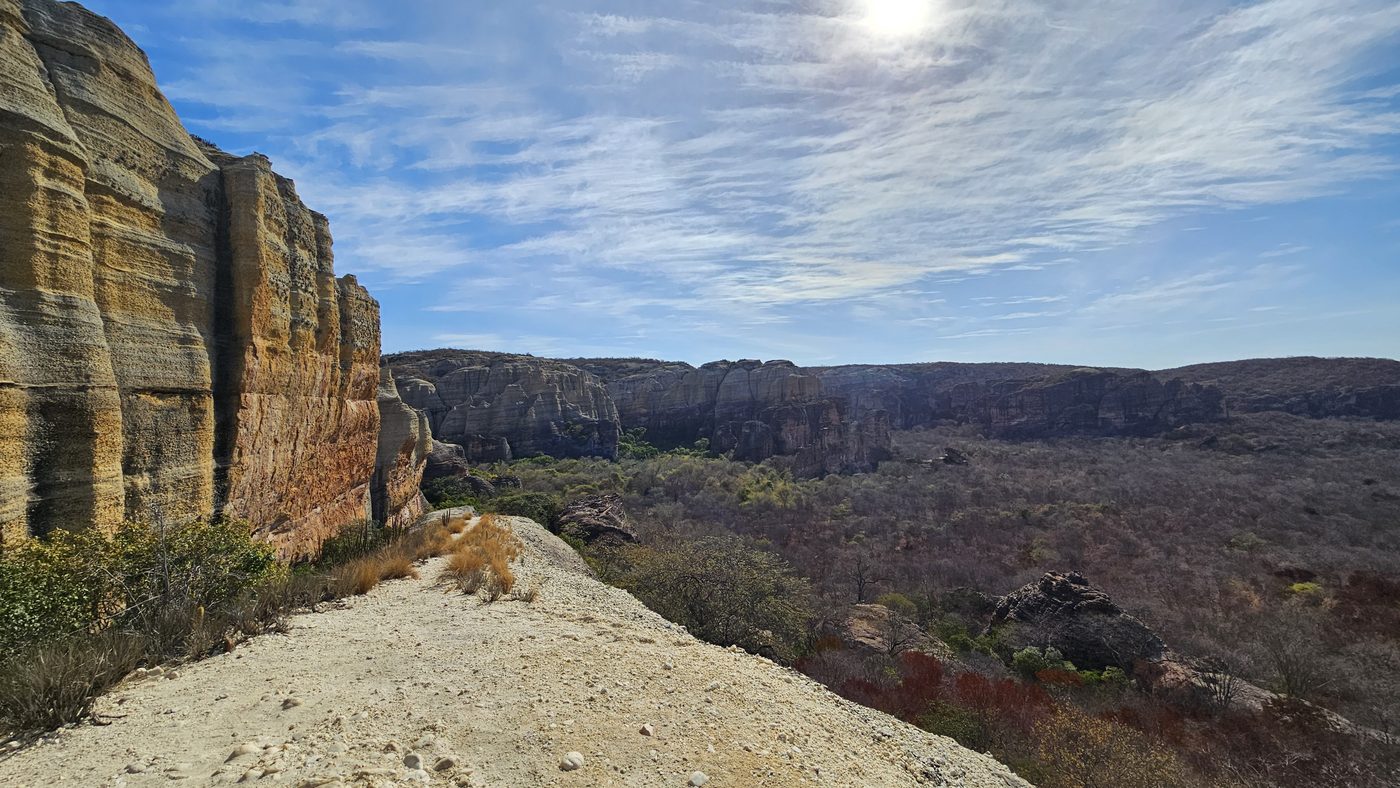
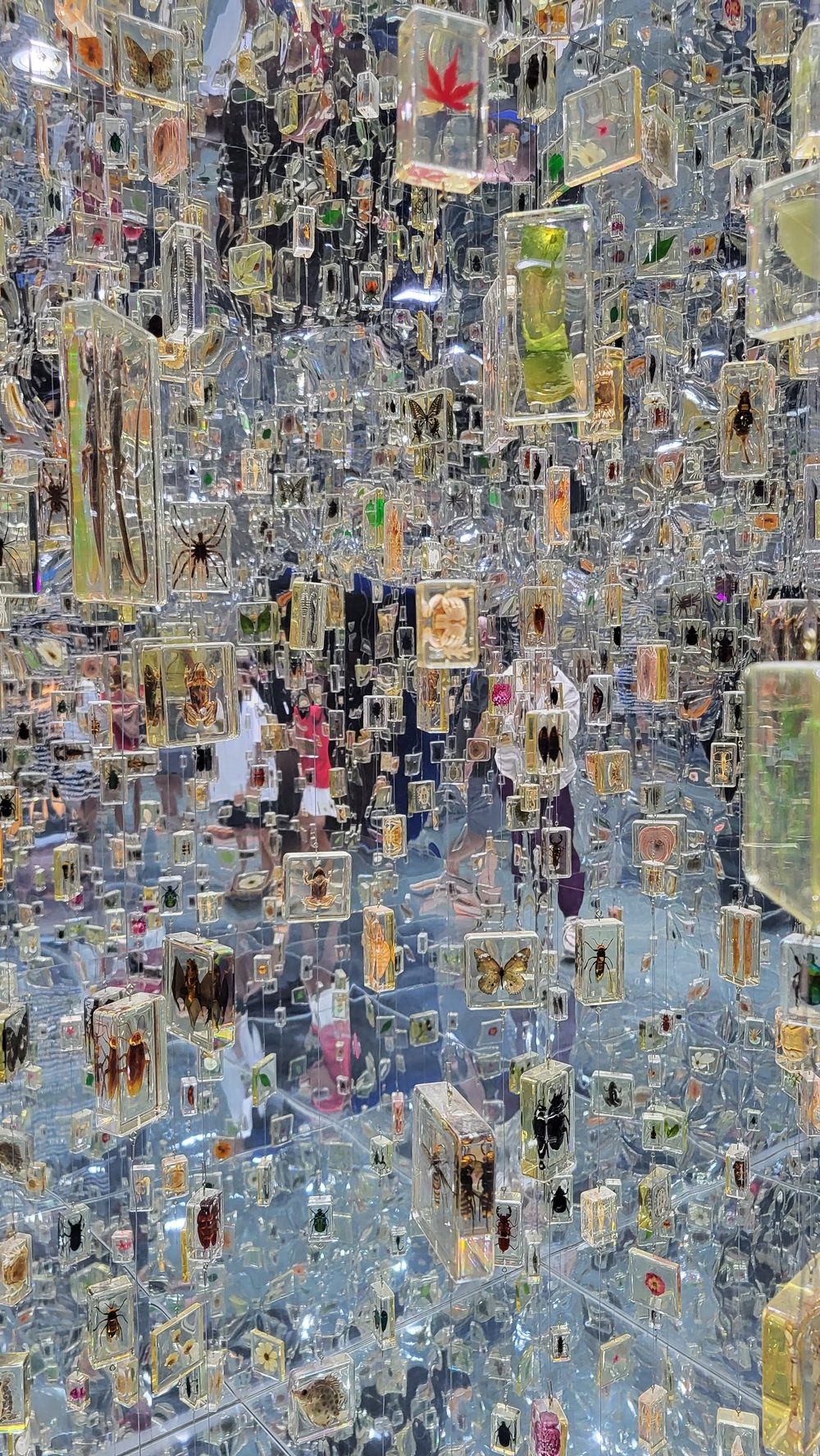
Worth building in stops at both of the park’s museums. The Museu do Homem Americano covers the archaeology directly — Guidon’s own collection, more or less. The Museu da Natureza, a short distance away, goes wider: twelve rooms tracing the earth’s deep history and the origin of life, including a startling run of megafauna fossils — giant sloth, sabre-tooth tiger, giant armadillos, mastodon, wild horse, bear, all extinct roughly 10,000 years ago — a VR hang-glider simulation that lets you fly the whole park from your seat, and a panoramic view over the park’s rock walls from the roof (entry runs about R$40, half-price at R$20). It’s genuinely great for kids. The standout for ours, though, was a wall of local insect and plant specimens preserved in resin, an immersive, almost disorienting display they loved wandering through.
Capadócia do PiauíHighlight
The trip’s other real highlight, and it very nearly reads as a footnote if you don’t know to look for it. Officially it’s Capadócia Nordestina (also known locally as Sítio Luz, Cidade Encantada, or Complexo de Três Irmãos), in the small municipality of São José do Piauí — rock walls estimated at over 380 million years old, some reaching 100 meters, carved into a ruiniform, almost lunar landscape since the region was last under a shallow sea in the Devonian period.
Access only happens through advance scheduling with the site’s guide and manager, Conceição Alves (“Ceiça”) — no walk-ins, given the drops and crevasses scattered through the site. The land itself belongs to a family led by Seu Antônio Filho, who has lived here since the 1980s; it’s their family that opens it up, runs the hike, and can put together a farm lunch if you ask ahead. It turned out to be the trip’s other unmissable stop, not the “one more thing on the way to the hotel” it could easily have been billed as.
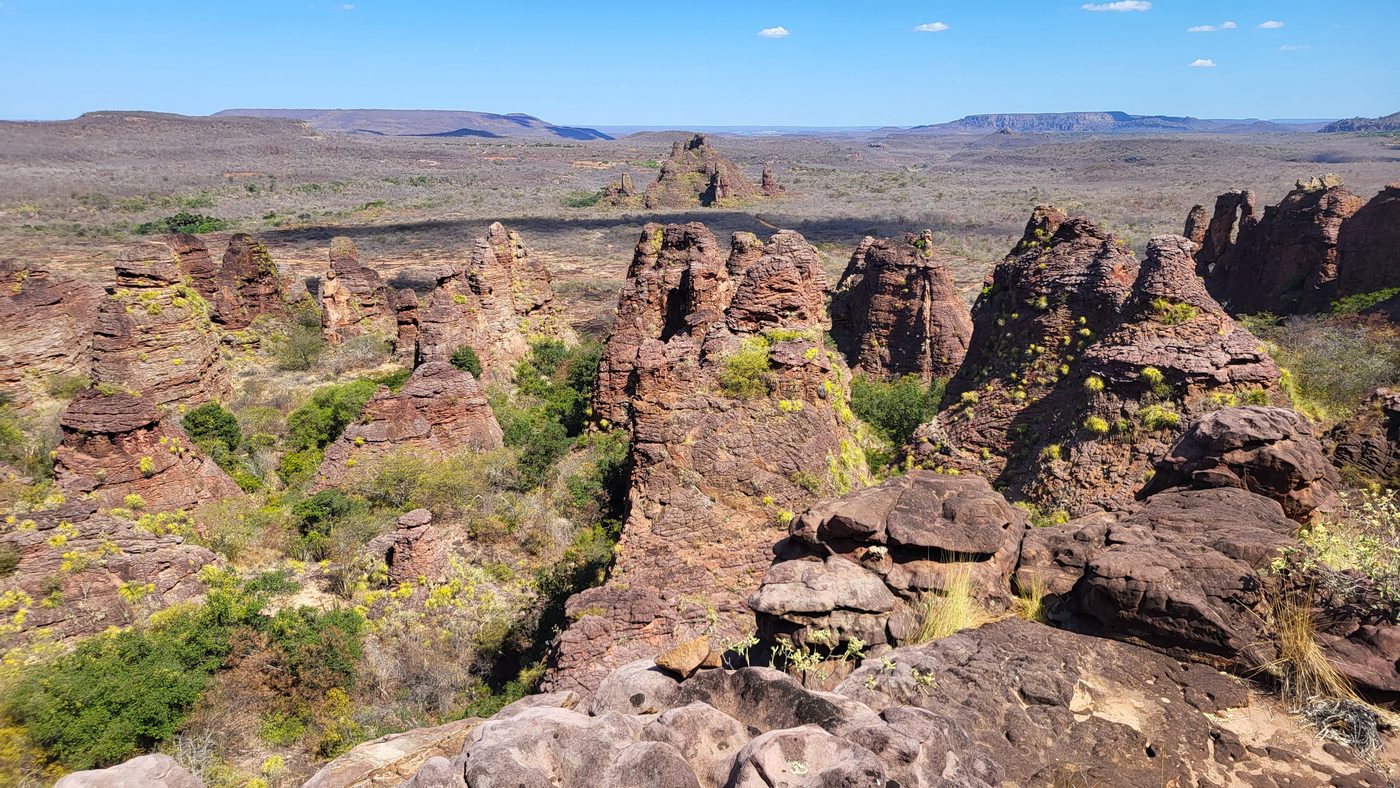
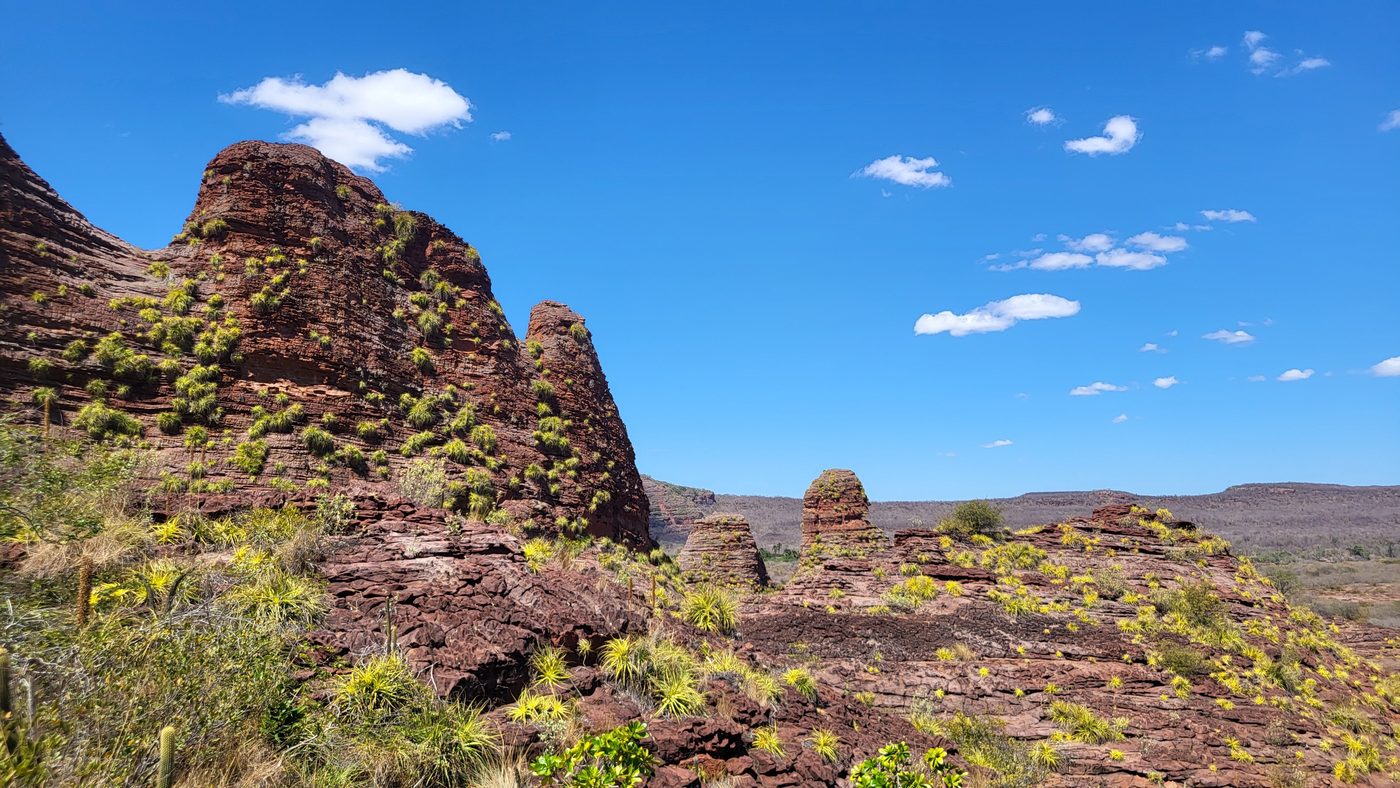
We drove there ourselves — another genuinely remote spot, with a family living nearby who organizes the hike. Just as under-the-radar as everything else on this trip: we were the only ones there. The hike itself is fairly adventurous, with a bit of climbing involved, but it turned out to be entirely manageable with our 11- and 12-year-olds. The landscape was outstanding all over again — it genuinely felt like walking on the moon. It was hot, but our guide brought water for everyone along the way. You can also arrange lunch on the family’s farm — homemade food, and very good. A superb outing.
One story from our guide has stayed with us. He grew up here through a serious drought — this stretch of Piauí has lived through several brutal multi-year droughts, the 1979–1983 one that hit the state’s semiarid interior especially hard among them, though the length he described to us (something like three years) may just be how it’s remembered rather than the full official span. There’s a cactus common around here — stroke its spines gently and it makes a sound uncannily close to falling rain. During that drought, he told us, local kids had genuinely never heard real rain, so parents used the cactus to show them what it sounded like. And it really does — stand close, stroke it, and it’s rain, more or less exactly.
Piauí road trip essentials, from having been there
- Guides are mandatory, not optional, for Serra da Capivara, Serra das Confusões, and Capadócia Nordestina — book all three ahead, especially the last one.
- Don’t treat Quixadá or Serra das Confusões as a formality on the way to the “real” destination — both turned out to be highlights in their own right.
- Dry season sun with no real shade on most rock circuits — pack accordingly.
Honest recommendations, not a sponsored list
Tripadvisor guests agree — 4.5/5, with the same praise for spotless rooms and a strong breakfast.
Online reviews average 3.9/5 — some guests flag road noise too, so ask for a room at the back if you can.
- Serra da Capivara: the complete guide — access, guide, cost, and the two circuits worth naming directly.
- Capadócia Nordestina: the hidden rock-spire desert — why you can’t just show up, and the drought story that stayed with us.
- Serra das Confusões: where two biomes collide — the named route, no 4×4 required.
- Lençóis Maranhenses: six days by buggy and boat — a different Brazil entirely: white dune fields, turquoise lagoons, and a boat run to a striped lighthouse.
One Comment