Six Days in the Dunes: Lençóis Maranhenses by Buggy and Boat
Half Charted — Maranhão, Brazil
Six Days in the Dunes: Lençóis Maranhenses by Buggy and Boat
A Lençóis Maranhenses itinerary from a family trip through Brazil’s white-sand dune field — turquoise lagoons, a river run to a striped lighthouse, and a storm that rolled in right on cue.
Been there. Every place named below, we visited ourselves. Facts we didn’t witness firsthand are checked against sources and marked as such.
Some links in this article are affiliate links: if you book through them I may earn a small commission, at no extra cost to you.
Into São Luís, lateBeen there
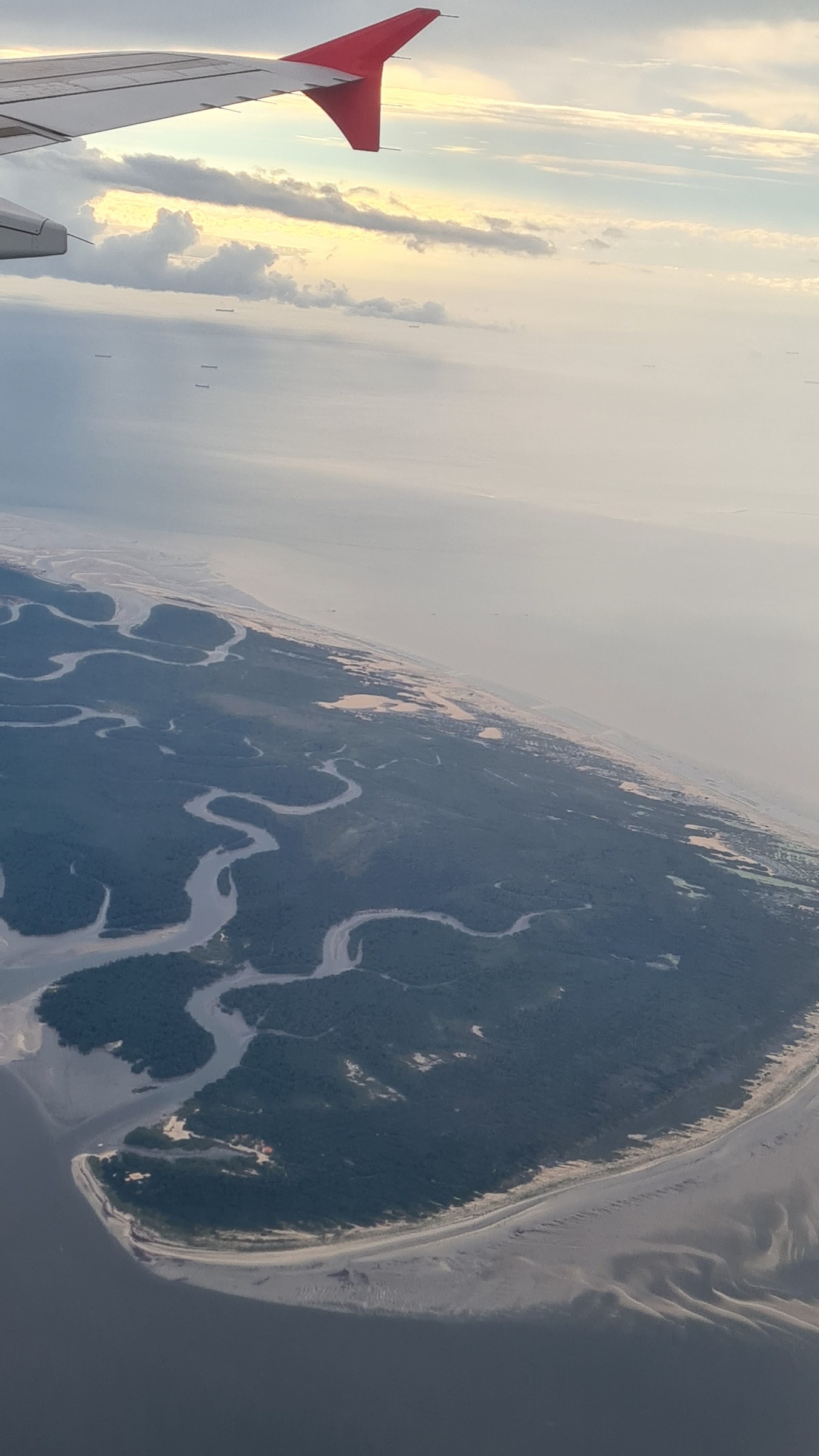
We flew LATAM from Fortaleza into São Luís, landing after dark. The flight itself turned out to be a highlight before the trip had even properly started: about two-thirds of the way along the route, right on the Piauí–Maranhão border, the coast opens into the Parnaíba Delta — dozens of islands laced together by tidal channels, mangrove and dune fields meeting the open Atlantic in the last light of the day. It’s one of the very few deltas anywhere that empties straight into open ocean rather than a bay, often described in Brazilian travel writing as the third-largest of its kind in the world after the Nile and the Mekong (a claim that gets repeated more than it gets rigorously footnoted, but the scale from a window seat is real regardless). We stayed our first night at the Hotel Santos Dumont Aeroporto, right by the airport — no reason to fight São Luís traffic at night when we’d be leaving the city again the next morning anyway.
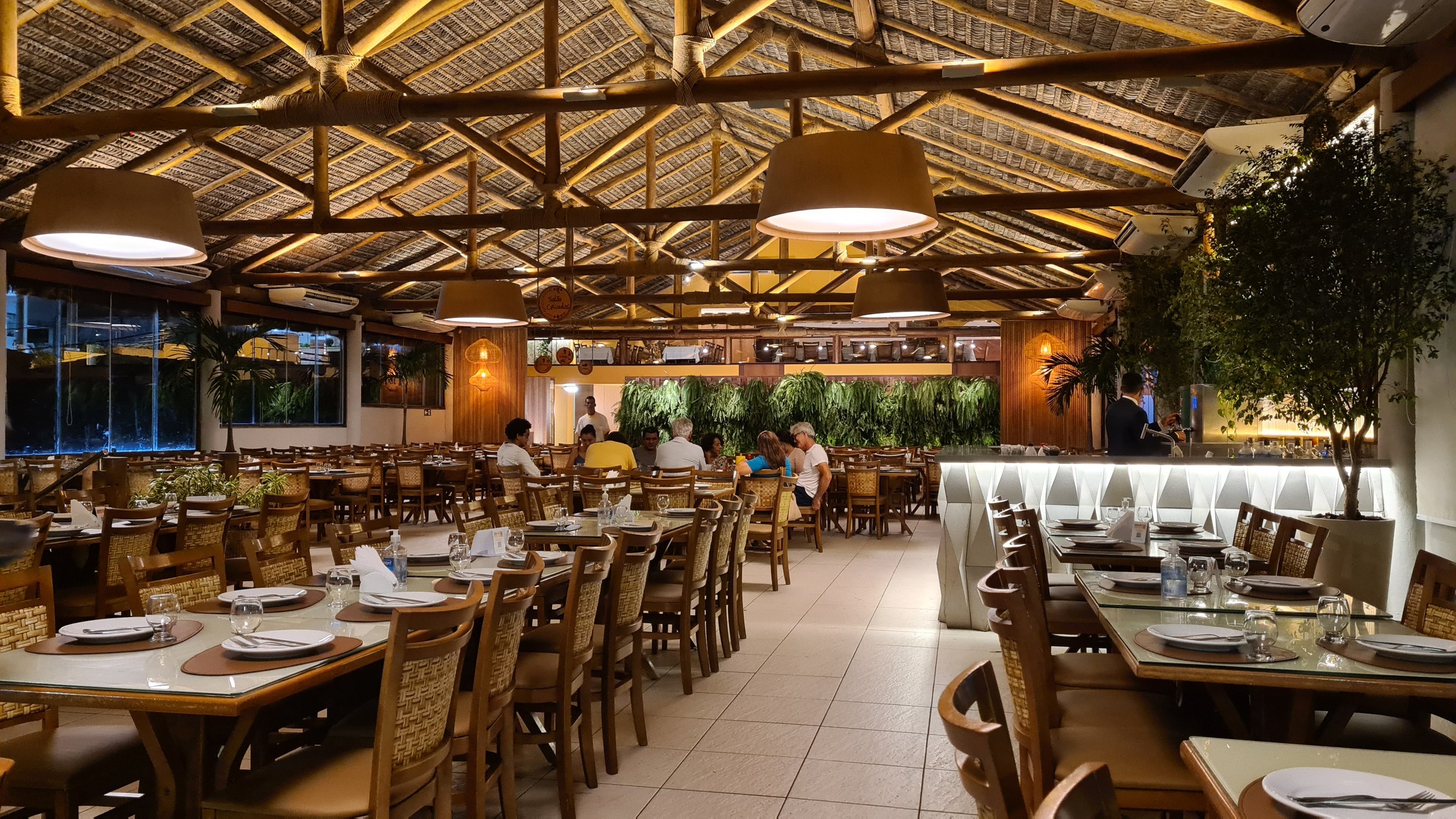
We still went out for a proper dinner: Cabana do Sol, on Av. Litorânea in the Calhau beach neighborhood — a well-known seafood spot with live music most nights, and a good, easy introduction to Maranhão cooking before the trip properly started.
The road to the dunes, and a first lagoonHighlight
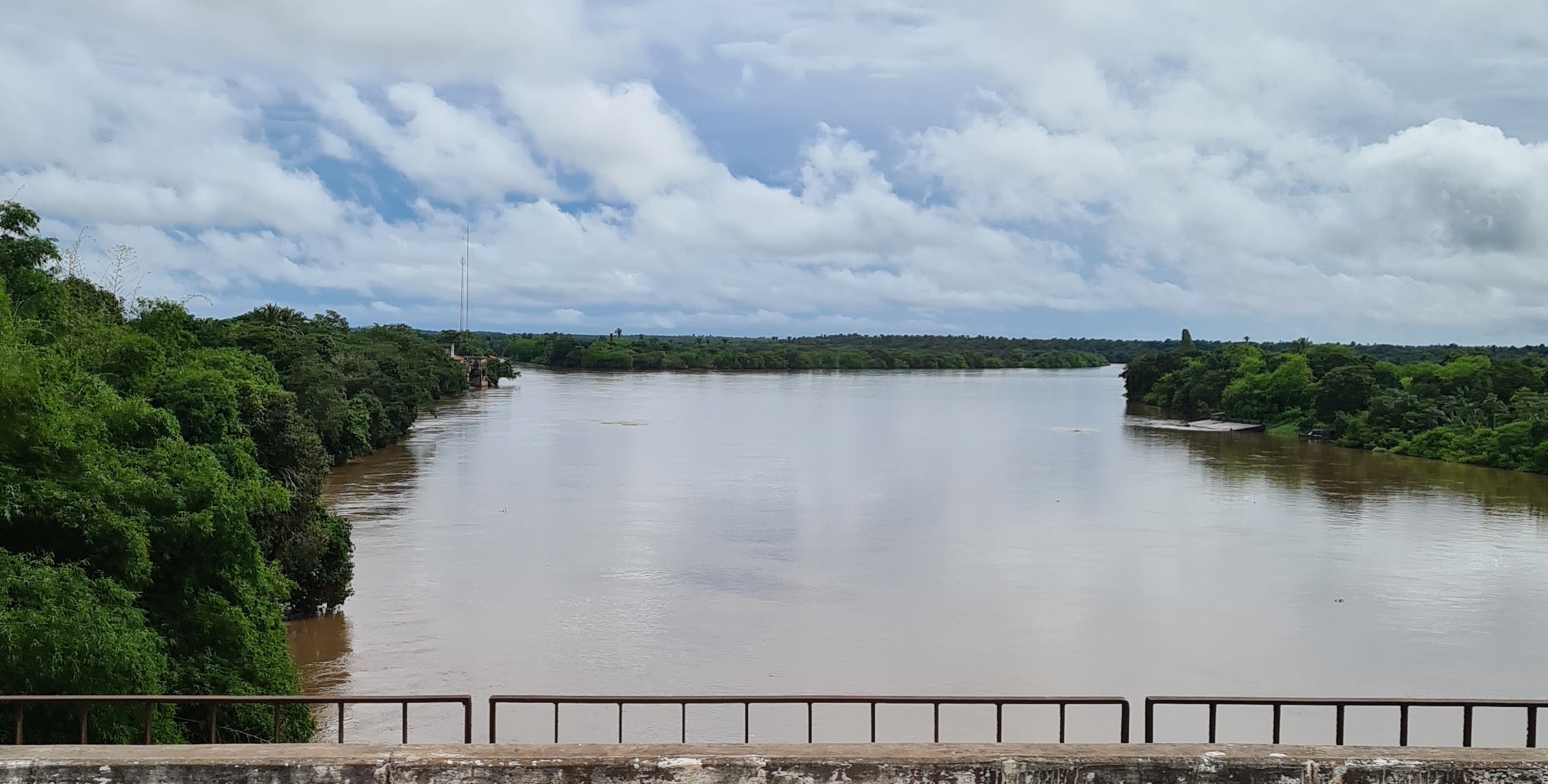
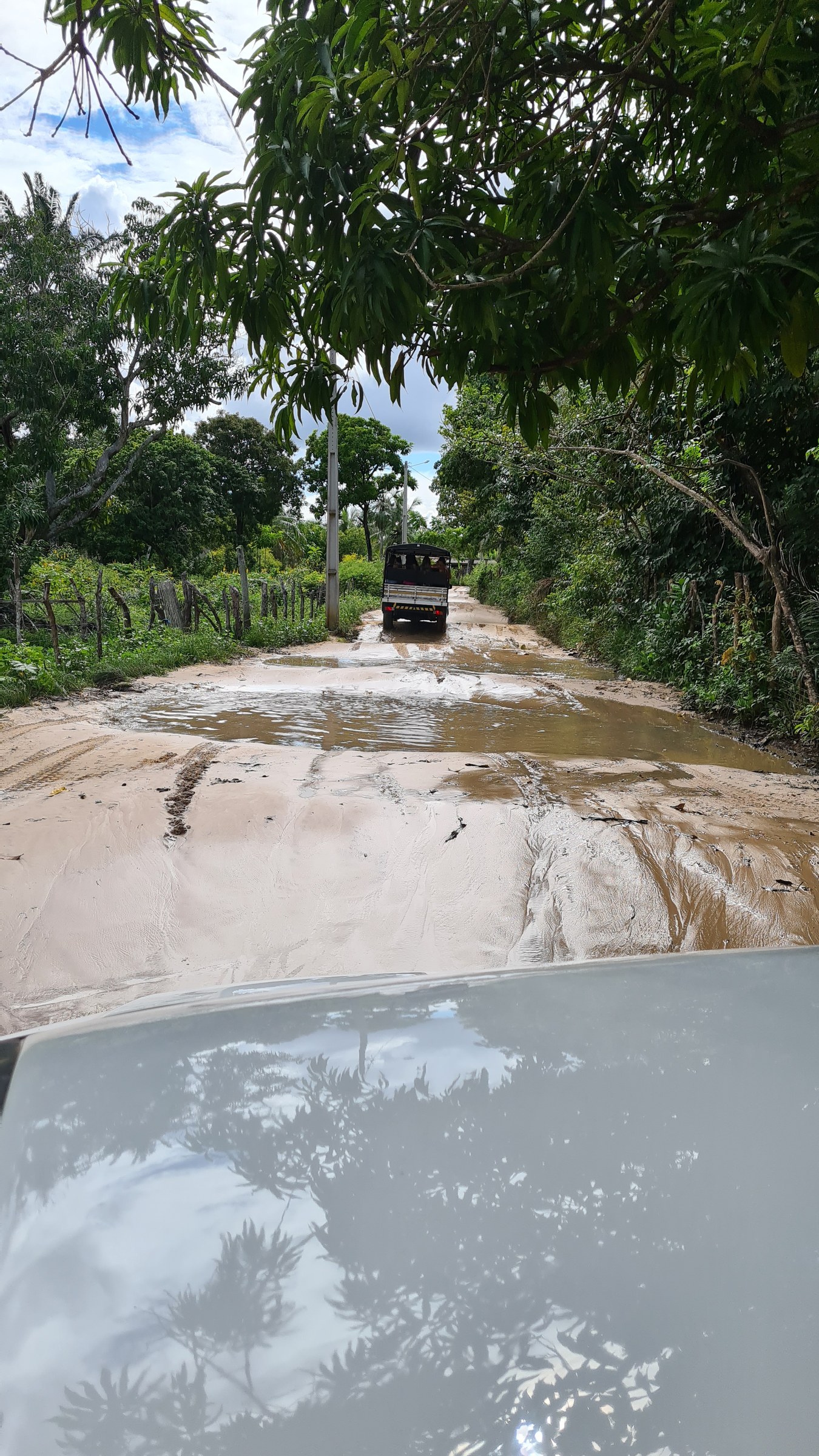
The transfer from São Luís to Barreirinhas is most of a day on its own — the route crosses several rivers along the way, some by bridge, at least one stretch by vehicle ferry (the Balsa Maria Basto). We were traveling in April, still the tail end of the rainy season here, and it showed: stretches of the road were properly flooded, sandy tracks turned to standing water and mud, our driver working around it rather than through it more than once.
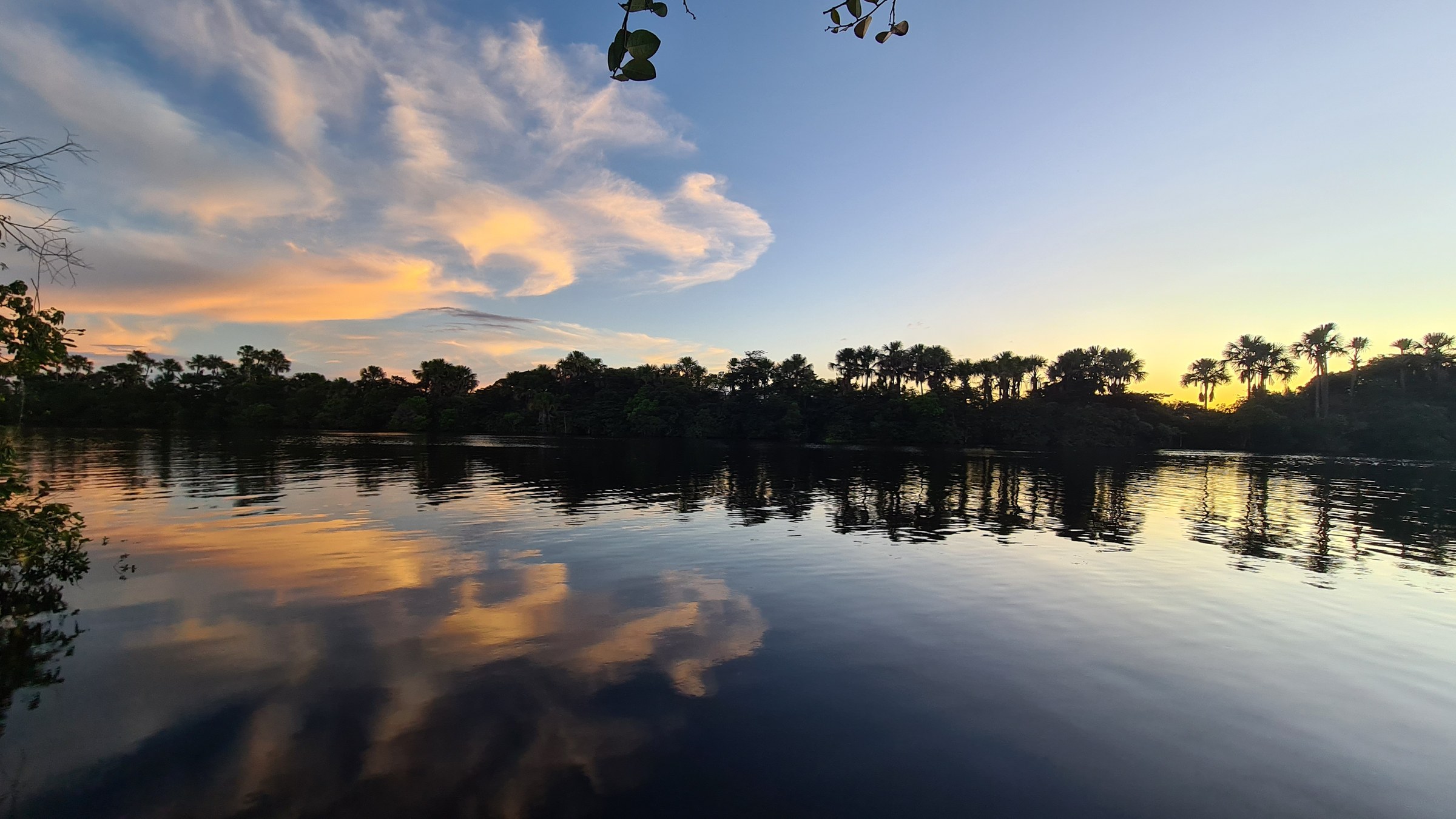
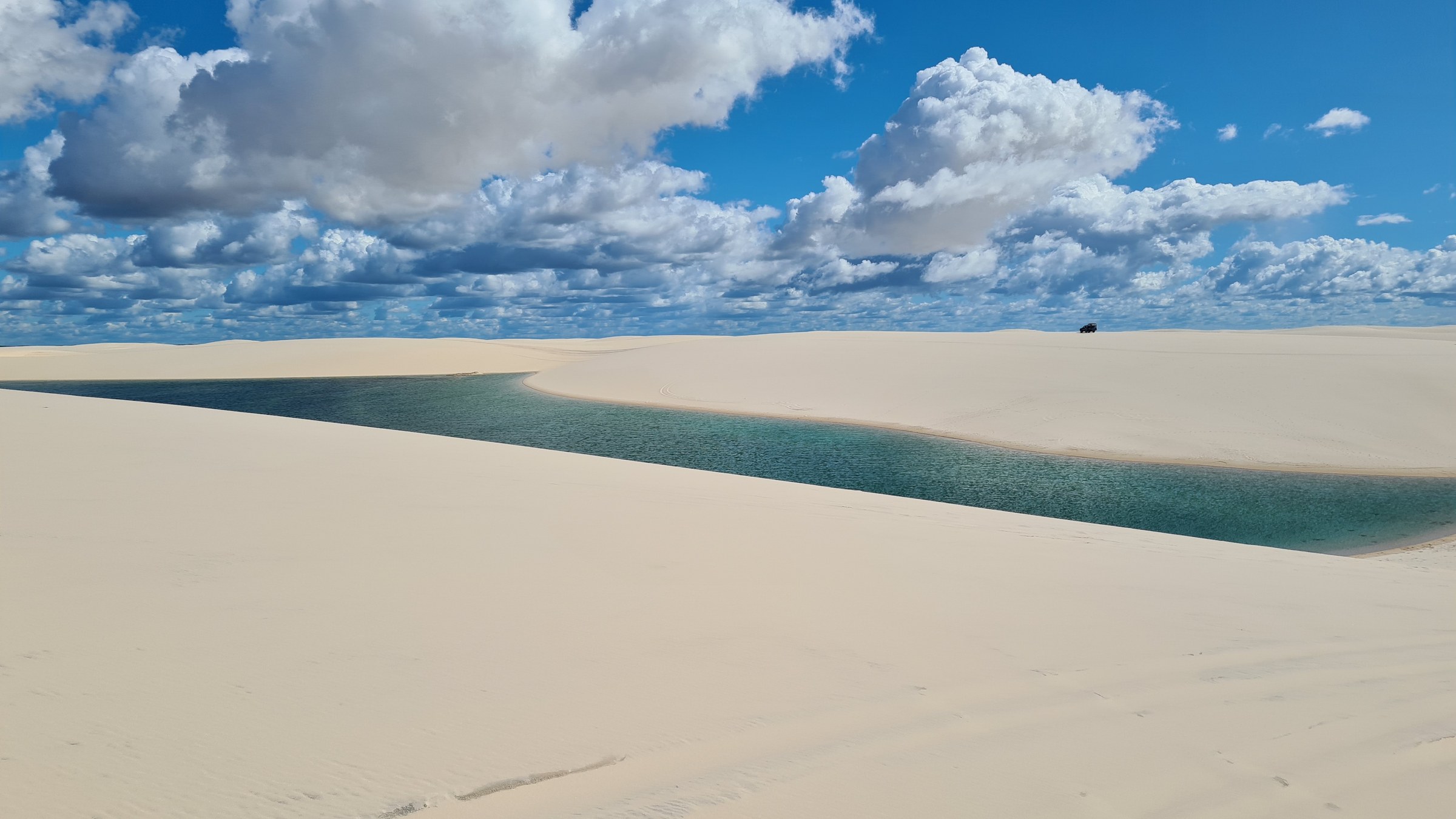
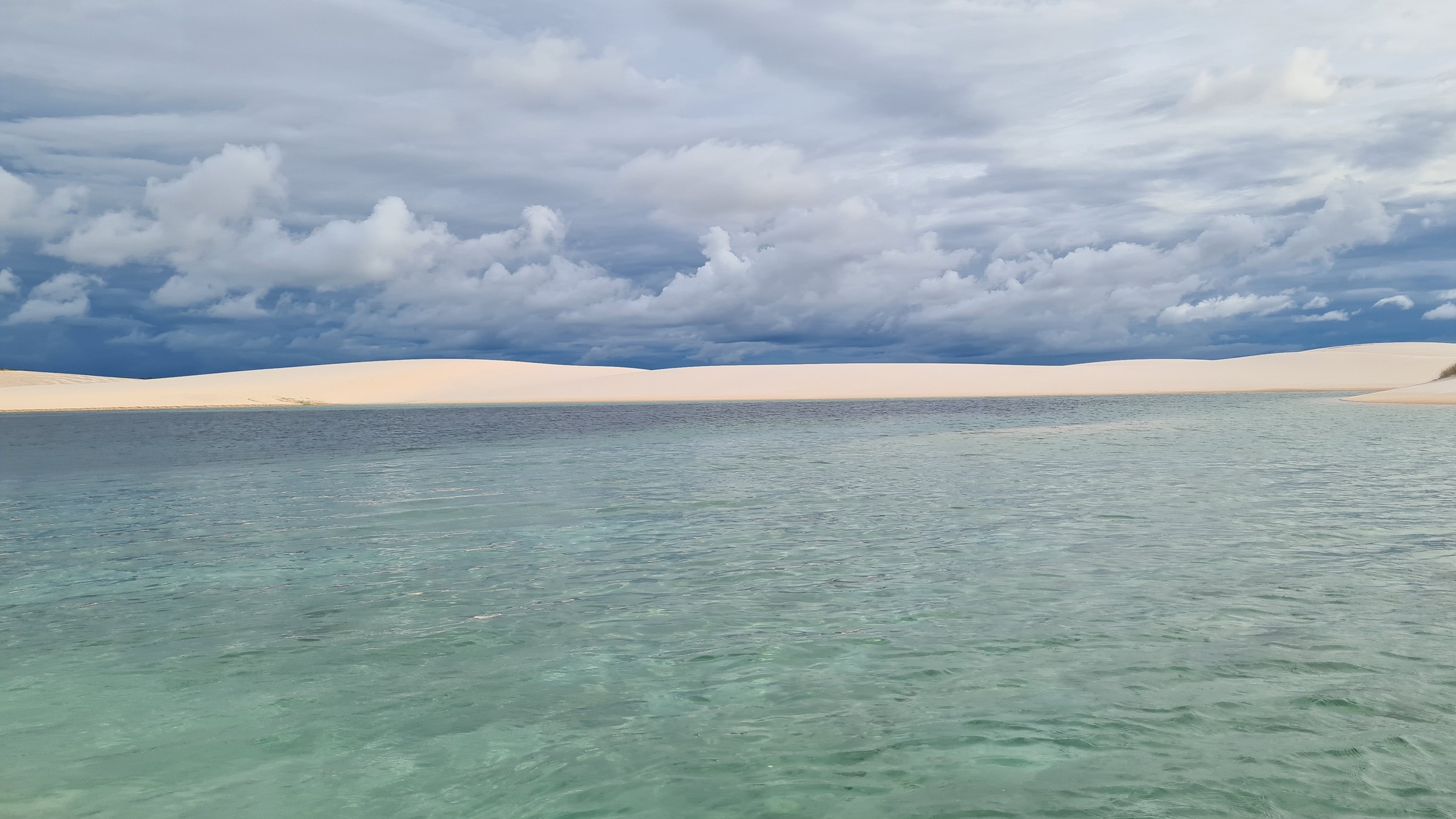
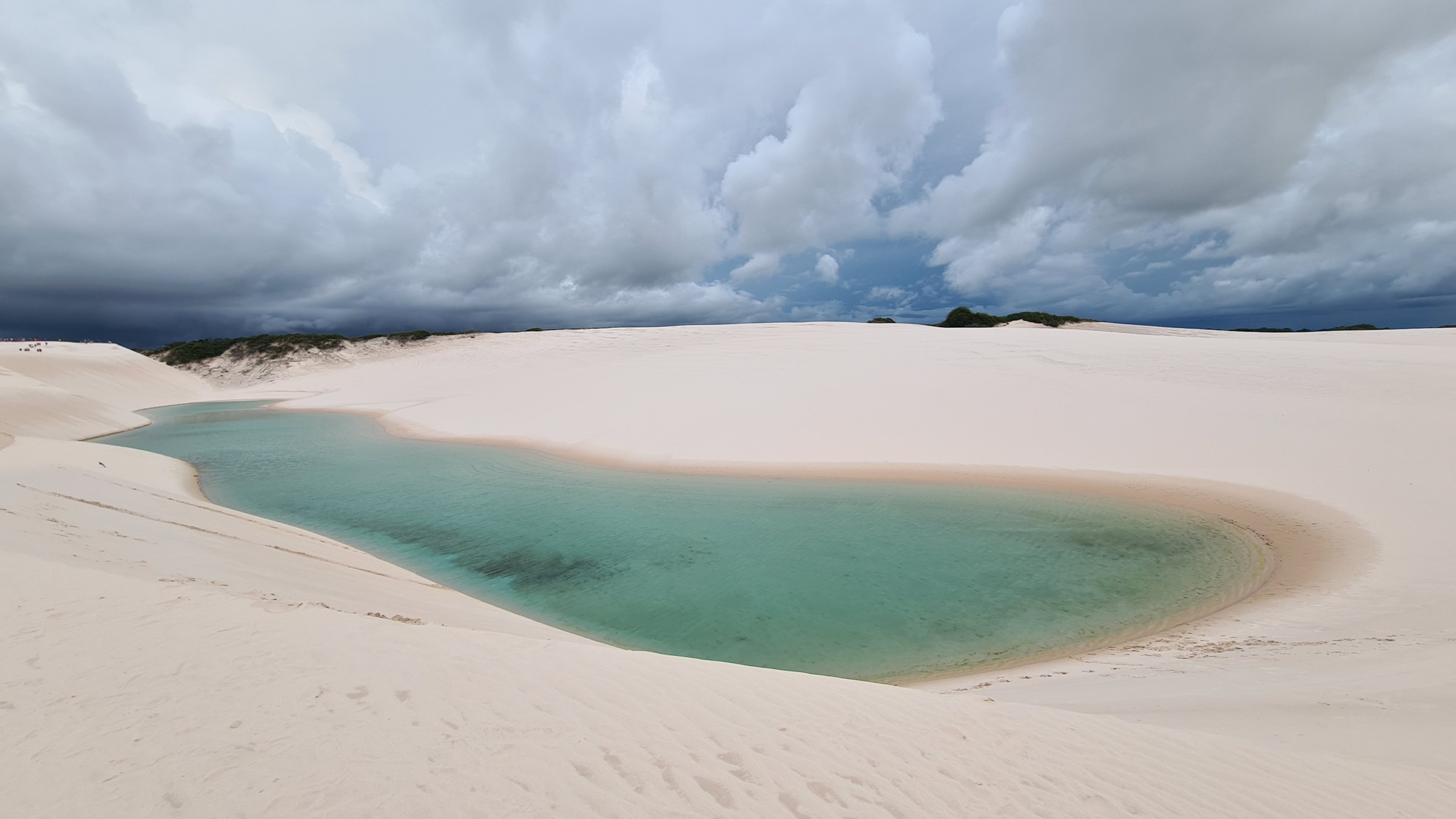
Then, somewhere past the village of Povoado Massangano, with no warning and no signage, the scrub opens up into dunes and a lagoon — one of those roadside stops that isn’t marked as an attraction anywhere, just a place the road happens to run past. We stopped, swam, and stayed long enough to watch the light change: golden hour running into a genuinely dramatic stack of storm clouds building over the dune line. We never did pin down an official name for this particular lagoon — it doesn’t show up as a business or a point of interest on any map, and it’s entirely possible it doesn’t have one.
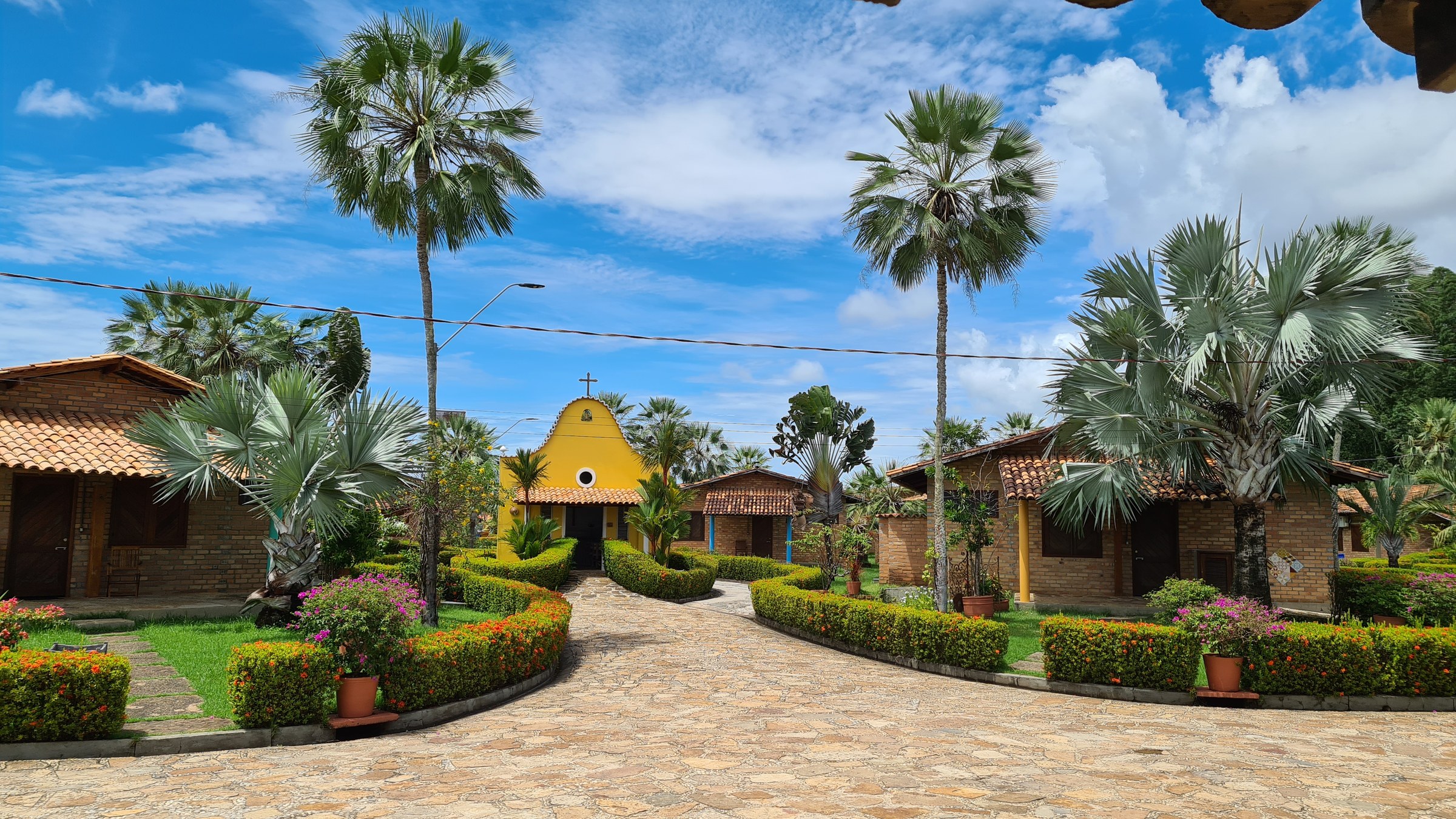
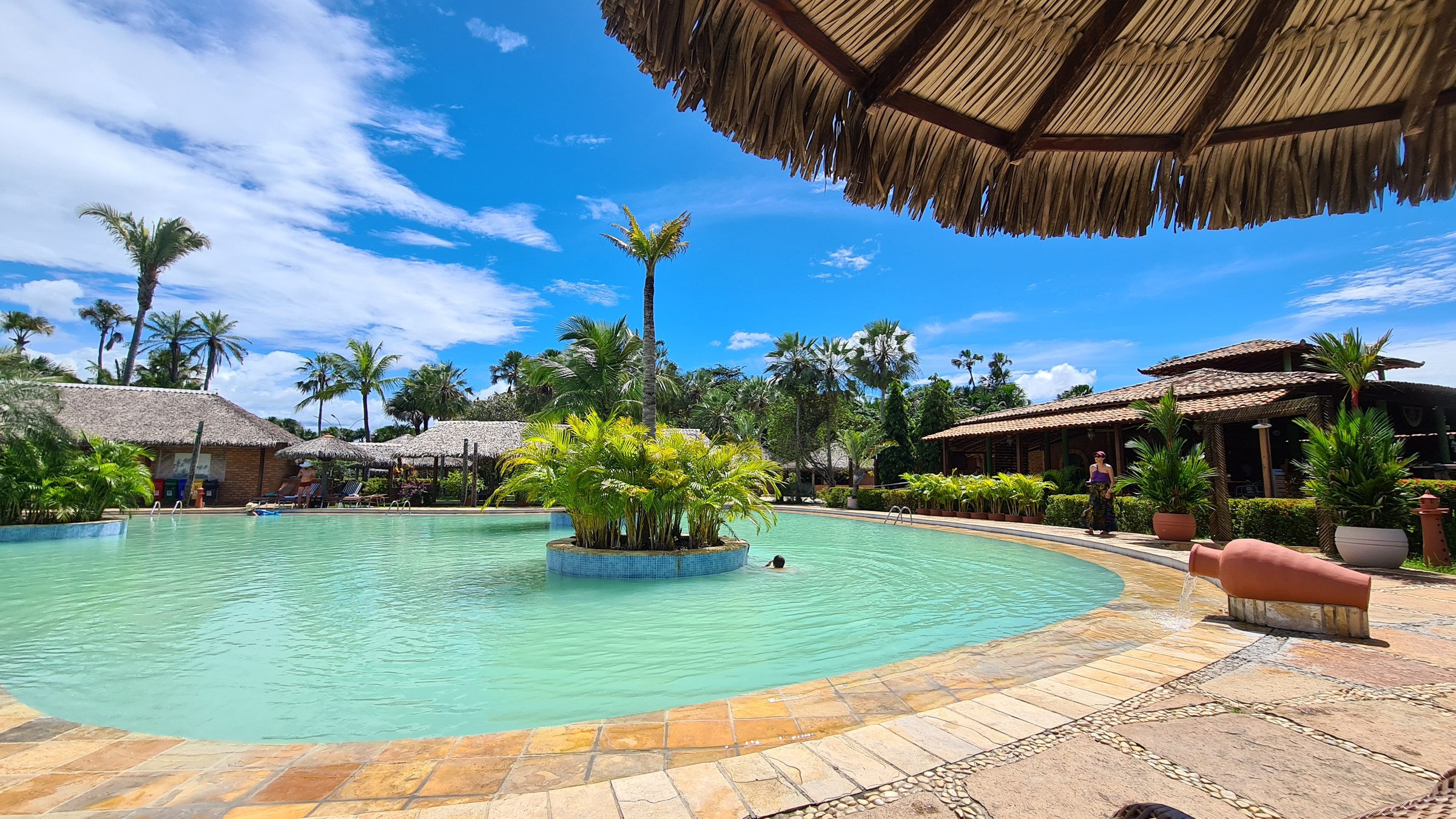
We arrived at Porto Preguiças Resort in Barreirinhas that evening — a five-star property right on the Rio Preguiças, and our base for the next three nights. The grounds turned out to be worth a mention on their own: red-brick, tile-roofed bungalows scattered through gardens thick with bougainvillea and ixora, stone paths curling past a small yellow chapel, and enough palm trees that it’s easy to forget you’re minutes from a dune field. Beyond the rooms, there’s a big turquoise pool, the resort’s own restaurant and the “C. Morgan” bar, and a dock on the river used for the boat excursions — everything we needed for three nights without having to leave the property between the buggy and boat days. The property sits directly on the Rio Preguiças, and the view over the water from the grounds at sunset is worth stepping out for on its own. The resort also runs its own day trips out of the front desk, including the dune-buggy tour and the river-boat excursion covered on Days 3 and 4 below — one less thing to arrange separately once you’re there.
A full day by buggyHighlight
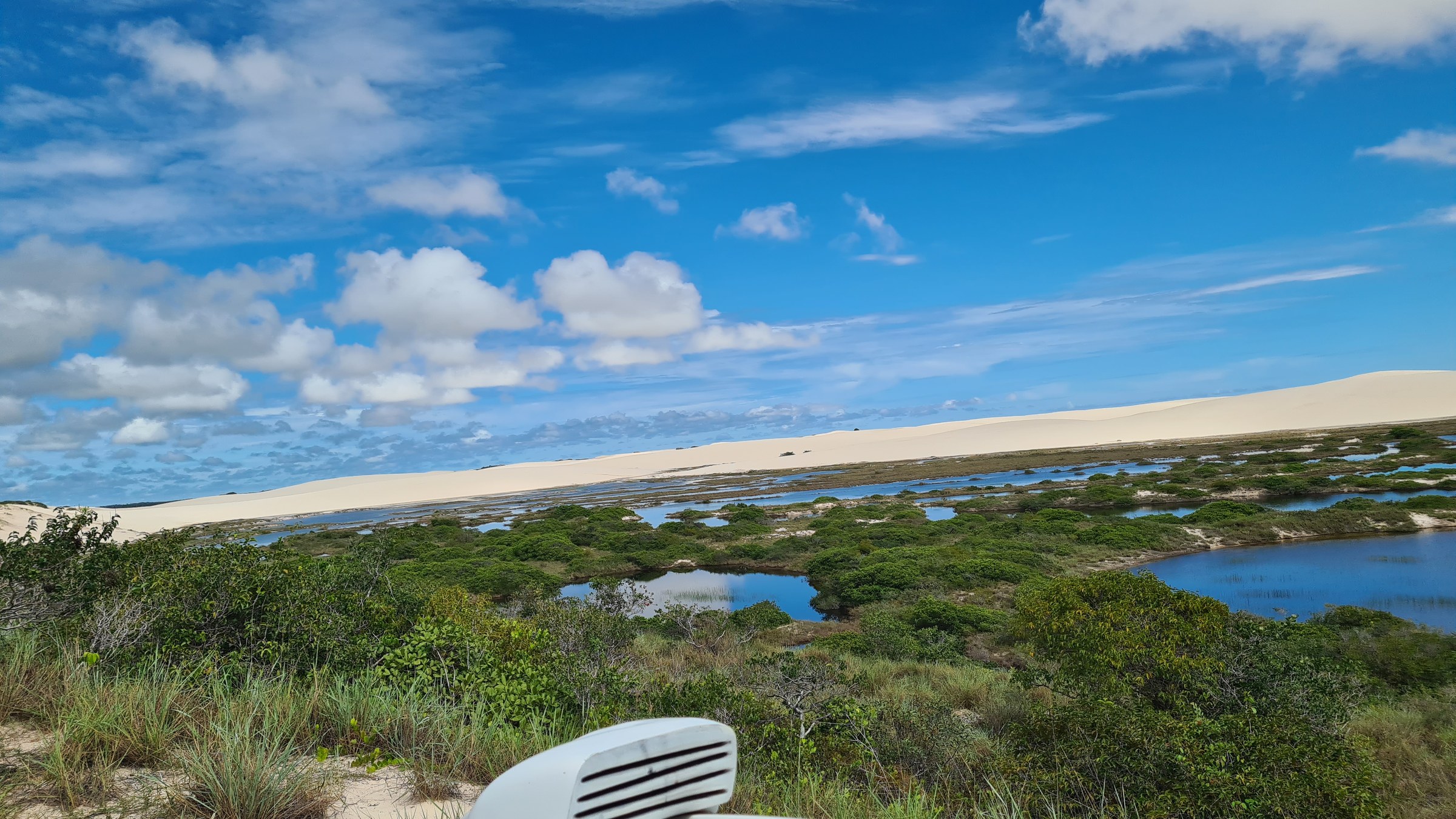
This is the day most people picture when they picture Lençóis Maranhenses at all: a full day out by 4×4 buggy through the dune field, via the Ponta do Mangue access point, with lunch at Restaurante do Sr. Antônio right there. The dunes here aren’t a single formation but a rolling field of them, each hollow between them holding its own lagoon — some a flat, near-black blue, others a bright turquoise, the color shifting with depth and the angle of the light. Wild horses turn up loose among the dunes too, grazing on whatever scrub survives out there, entirely unbothered by the buggies.
We swam in several of the lagoons over the course of the day — the water is fresh, not salt, collected rain rather than anything connected to the sea, which is part of why it clears to that color in the first place. Back in Barreirinhas that evening, a stop for a snack at Casa da Tapioca in the Santo Antônio neighborhood — tapioca crêpes are the regional specialty here, and a good way to end a day spent mostly barefoot in sand.
Down the Rio Preguiças to a lighthouseBeen there
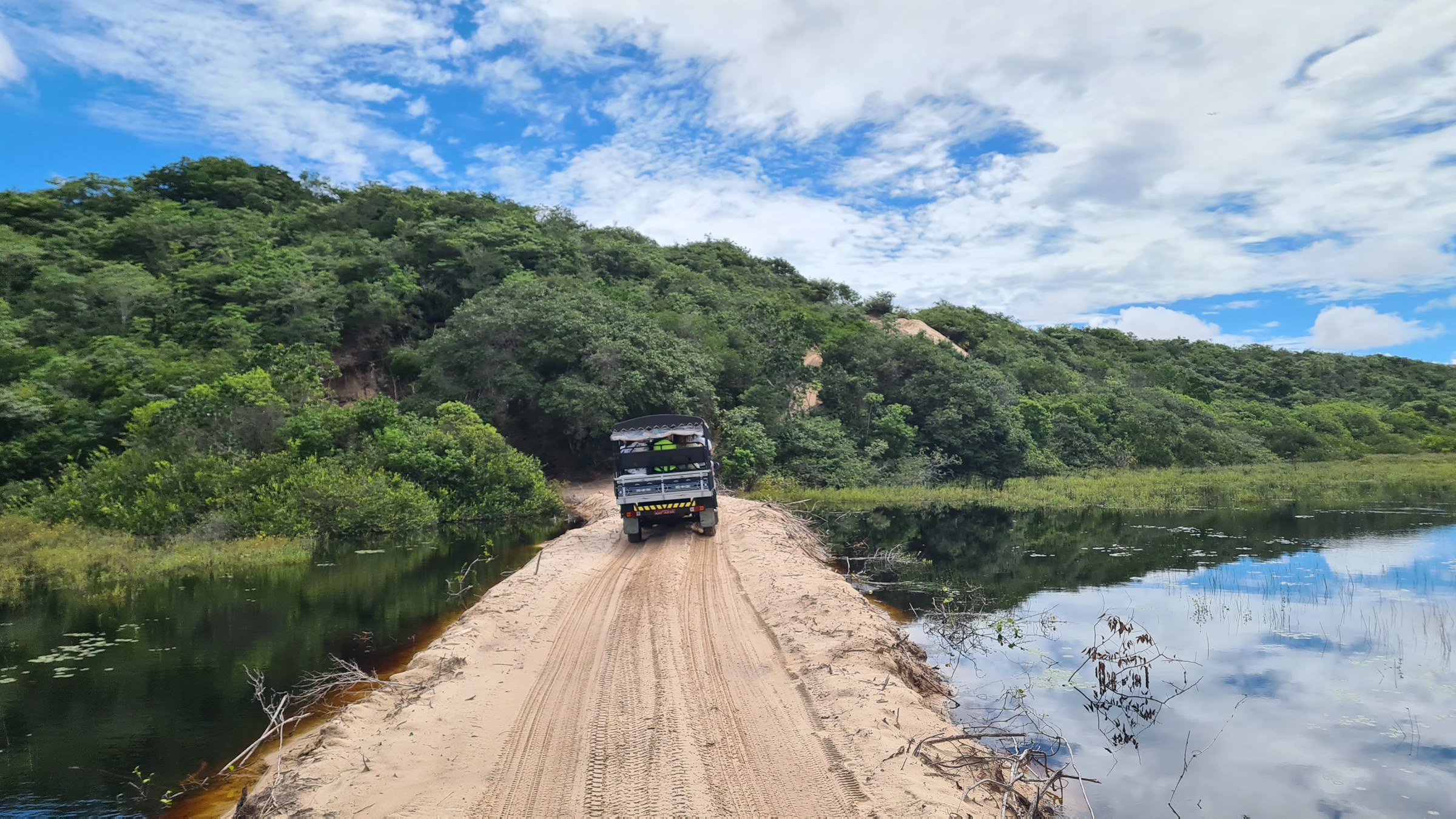
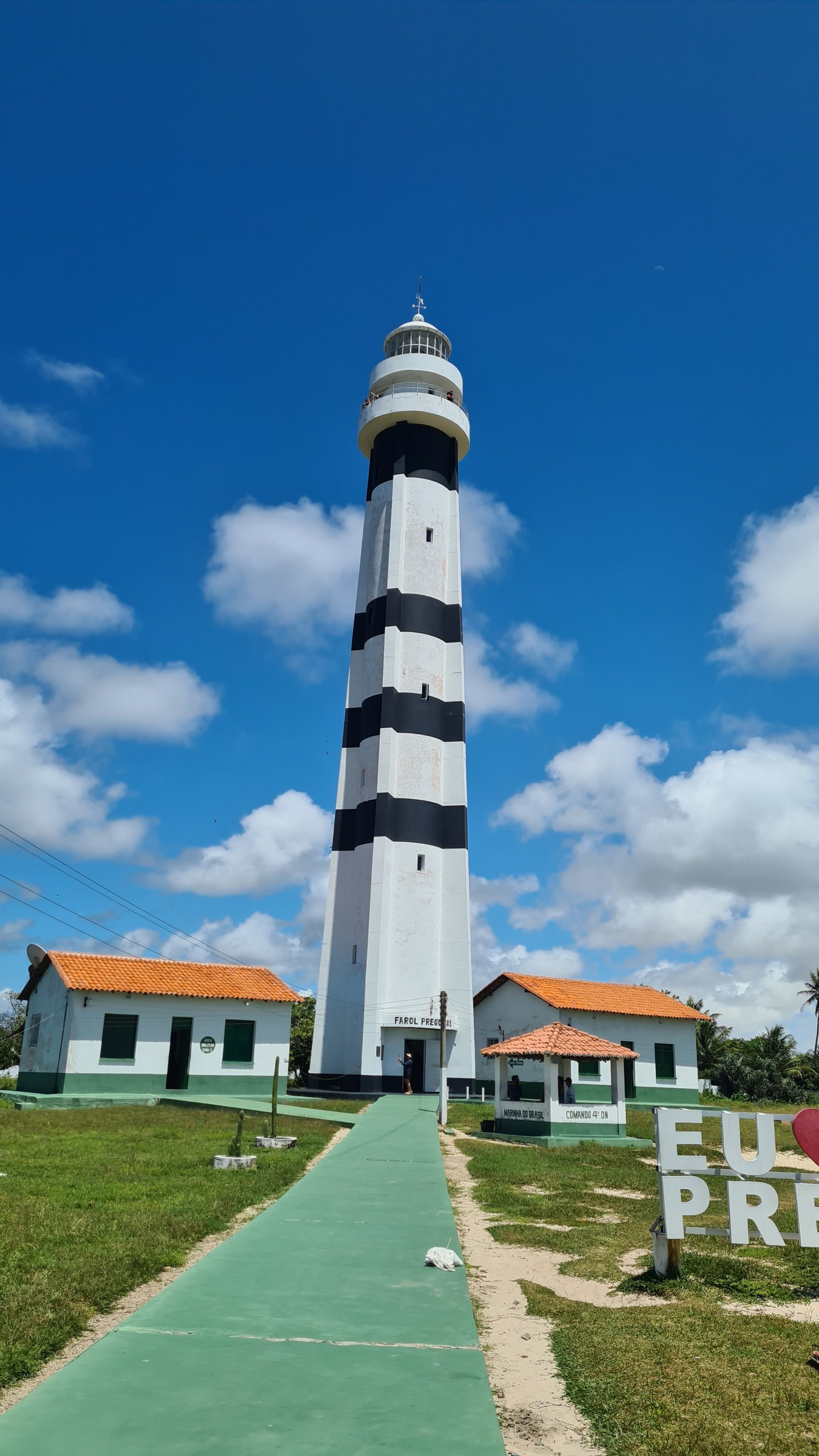
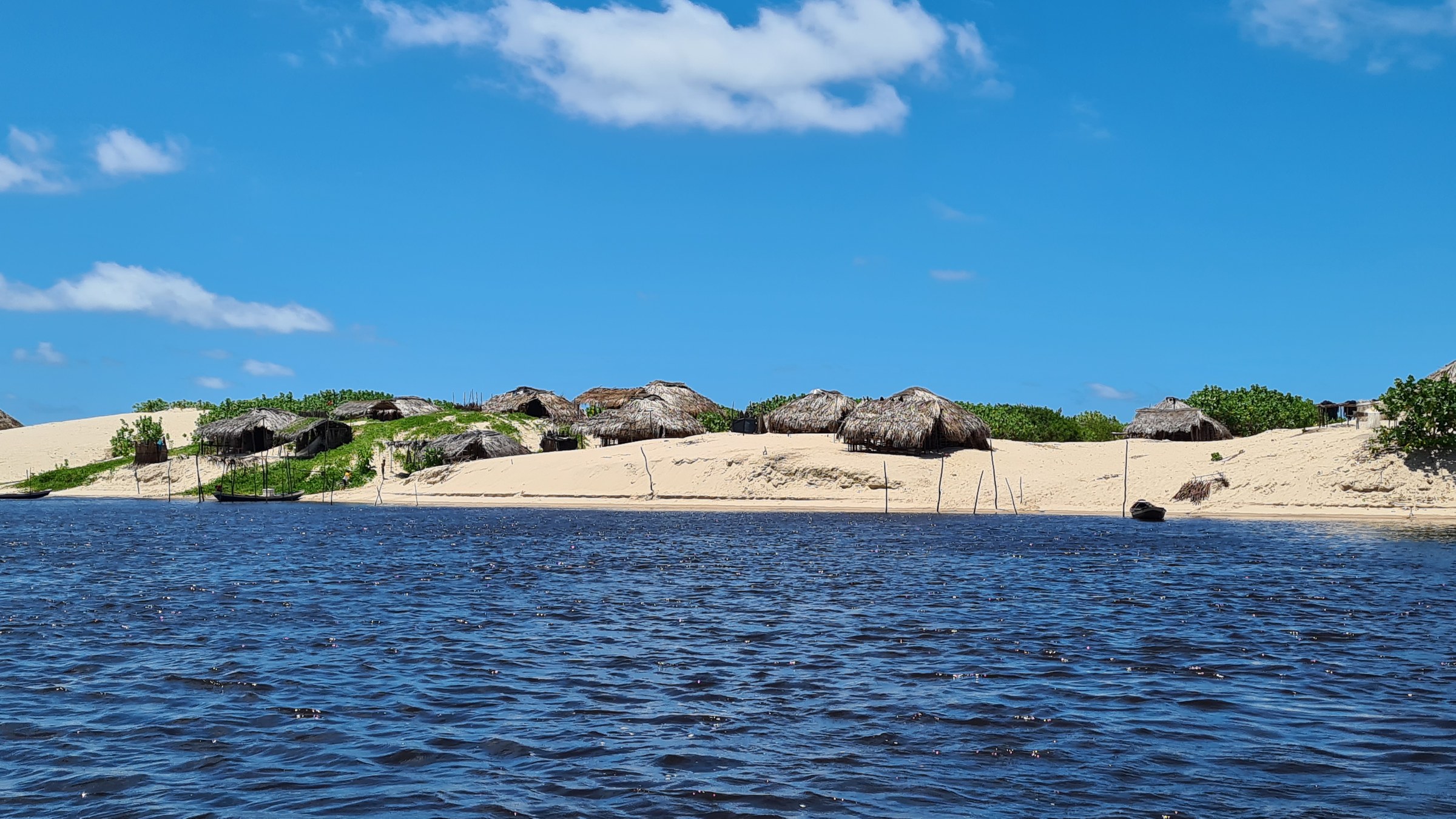
A full day on the water this time, by boat down the Rio Preguiças from Barreirinhas. First stop was Caburé, a small village strung along a sandbar between the river and the open Atlantic, known for the run-and-slide down a tall dune straight into the river — a genuinely fun, slightly ridiculous way to cool off. From there, on to the Farol de Mandacaru, a black-and-white striped lighthouse still standing watch over the river mouth, with lunch nearby at Restaurante Portal do Caburé in Mandacaru. Heading back toward Barreirinhas later in the day, a line of wind turbines came into view near the coast — Maranhão’s wind corridor is one of the strongest in Brazil, and it shows.
One last morning, then the road backBeen there
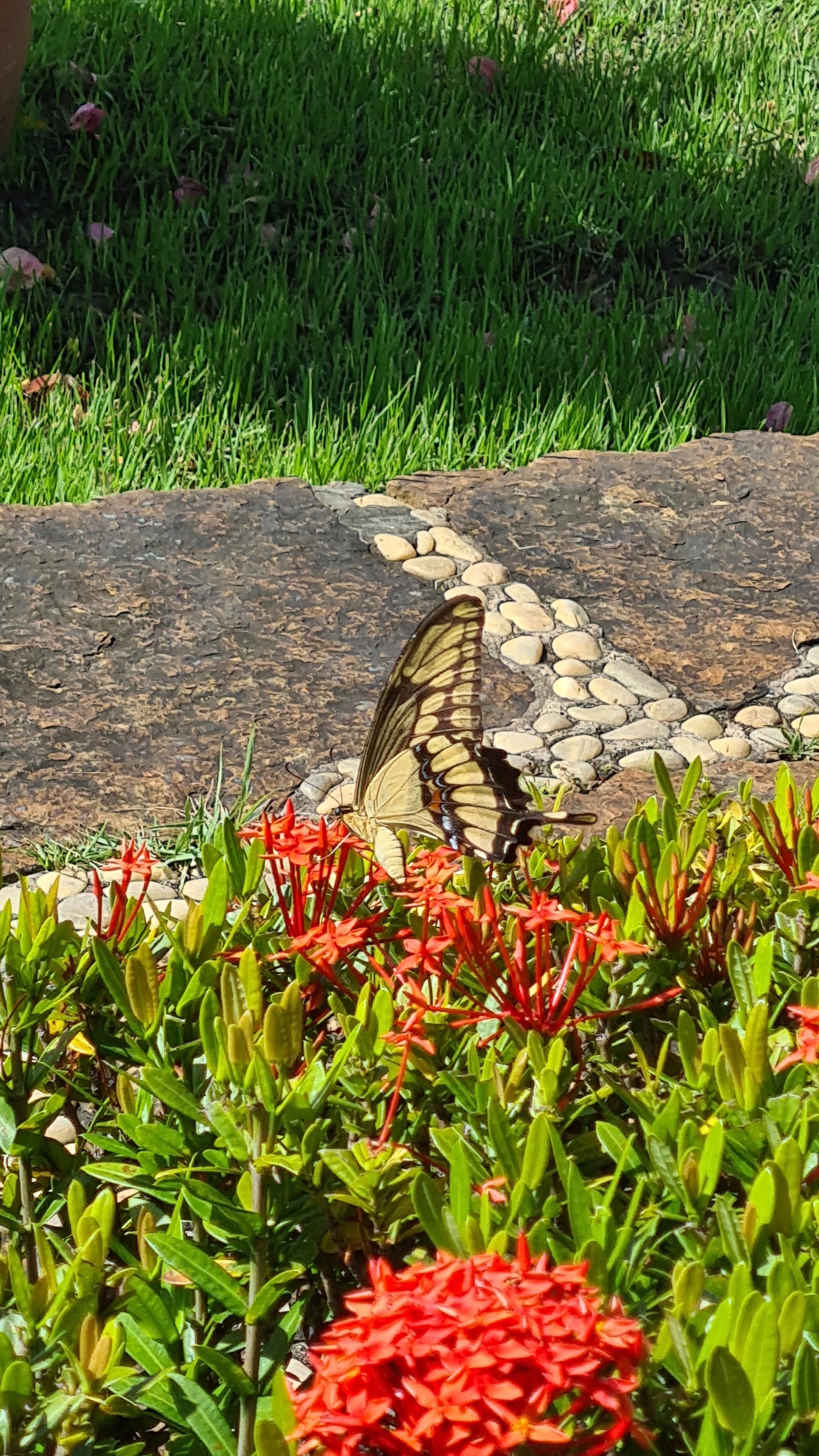
A relaxed last morning at Porto Preguiças Resort — the pool, coconut water, the resort’s own “C. Morgan” bar and lounge, butterflies working the flowerbeds in the garden. Then the drive back to São Luís, this time by road rather than boat, with a dinner stop along the way at Rodocenter Fazendinha, a roadside restaurant on the BR-402 in Axixá — the kind of reliable highway stop that turns up on every route through this part of Maranhão. Back to a hotel near the São Luís airport for the night, ready for an afternoon flight out the next day.
Heading homeBeen there
An afternoon flight out of São Luís closed out the trip — no stops, no photos, just the last of the packing and the drive to the airport. Six days start to finish, and it didn’t feel like a single one of them was filler.
Lençóis Maranhenses essentials, from having been there
- Lagoons run fullest June through September, once the rains stop but before the sun has had time to dry them out — that’s the classic postcard window. We went in April, on the tail end of the rainy season, and still found the lagoons full, just with more cloud, wetter roads, and one proper storm rolling through.
- Porto Preguiças Resort sits right in Barreirinhas and worked well as a single base for both the dune-buggy day and the river-boat day — no need to change hotels partway through.
- Don’t expect the dune-and-lagoon stop near Povoado Massangano to be signed or ticketed — it’s just a place along the road, not a listed attraction. If you want it, ask your driver or transfer company to stop.
Honest recommendations, not a sponsored list
More on Porto Preguiças Resort, our base in Barreirinhas, up in Day 2.
If you have extra days: Atins, and beyond
We didn’t make it to Atins on this trip, and in hindsight we should have built in the extra days. It’s the next stop past the lighthouse on the same river route — a low-key fishing village, sand streets, none of the resort infrastructure of Barreirinhas — and it’s rated among the better flat-water kitesurfing spots anywhere, with strong, reliable wind from roughly July to December. It’s also the real starting point for the deeper lagoons inside the dune field, Lagoa Bonita and Lagoa Azul, more of a 4×4-and-trek expedition than a quick stop, worth a day each. If you’re continuing east rather than looping back to São Luís, Tutóia and the Delta do Parnaíba are worth the detour too — boat trips through the delta’s mangrove islands, timed if you can for the revoada dos guarás, hundreds of scarlet ibises flying in to roost right before sunset. We haven’t done any of this ourselves yet, so take it as a lead worth checking rather than a recommendation — we’ll fold in the real thing once we have.
- 10-Day Piauí Road Trip — rock art, caatinga trails, and a rock-spire desert, looped from Fortaleza.
- Serra da Capivara: the complete guide — access, guide, cost, and the two circuits worth naming directly.
- Capadócia Nordestina: the hidden rock-spire desert — why you can’t just show up, and the drought story that stayed with us.
- Serra das Confusões: where two biomes collide — the named route, no 4×4 required.